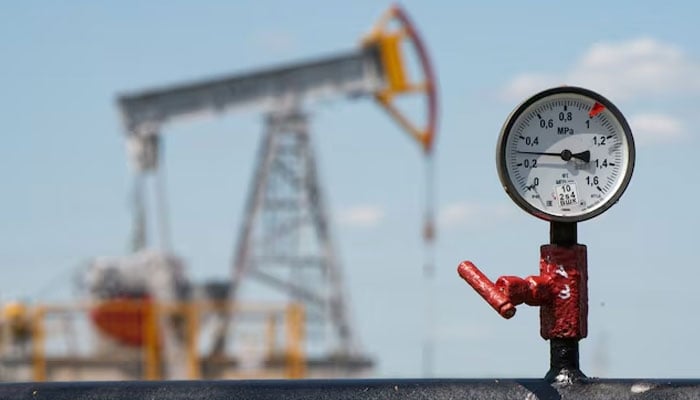
ISLAMABAD: Pakistan has taken a major step towards strengthening its energy security by forming a high-level committee to design and operationalise Strategic Petroleum Reserves (SPR), aimed at reducing vulnerability to global oil price shocks and supply disruptions.
The committee has been given a tight deadline and is required to submit its recommendations and implementation roadmap by May 8, 2026.
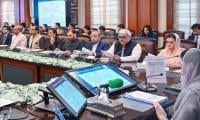
The decision was formalised through a notification issued by the Ministry of Energy (Petroleum Division) following a meeting chaired by the Federal Minister for Petroleum. The newly constituted “Committee on Strategic Petroleum Reserves” brings together top government officials, security representatives, energy sector regulators, state-owned enterprises and private sector stakeholders to develop a coordinated national framework for oil storage and emergency fuel management.
The committee will be headed by the Special Secretary, Petroleum Division, and includes representatives from key institutions such as the National Crisis Management Cell (NCMC), Oil and Gas Regulatory Authority (Ogra), Joint Staff Headquarters (JSHQ), Directorate General Logistics, Pakistan State Oil (PSO), Inter State Gas Systems (ISGS) and academic input from the Pakistan Institute of Development Economics (PIDE). Representatives from the private sector, including HUBCO, and other stakeholders from refineries and storage operators may also be co-opted.
According to the official notification, the committee has been tasked with preparing detailed recommendations on the operationalisation of strategic petroleum reserves, optimising the use of existing storage infrastructure, and mapping all available oil storage facilities across the country. It will also assess financing options and investment requirements for expanding strategic reserves in line with long-term energy security needs.
The work will be guided by existing technical studies, including reports by Matt MacDonald and PIDE, which have previously highlighted gaps in Pakistan’s fuel storage capacity and the need for structured emergency reserves. Officials said the initiative is intended to reduce Pakistan’s exposure to international oil price volatility, particularly at a time when global energy markets remain highly sensitive to geopolitical developments and supply risks.