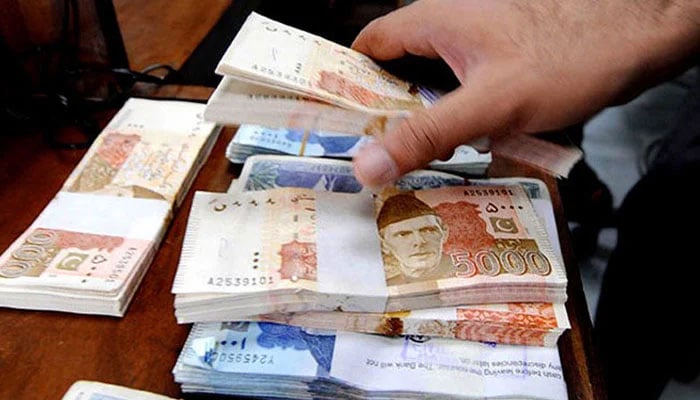
PESHAWAR: An inquiry report into embezzlement of over Rs100 million in the Khyber Pakhtunkhwa Human Capital Investment Project has held three officers, including the project director, responsible and recommended their removal and disciplinary proceedings.
The report also recommends action against two unauthorised individuals and the staff of two banks, and calls for referring the case to NAB, FIA, and other anti-corruption bodies for a thorough investigation into fraud, forgery, and misuse of public funds.
According to the P&D Department, after approval from the chief secretary, the project director has been removed. Proceedings have been initiated against him under the E&D Rules, and he is being charge-sheeted.
According to the report, on September 13, 2025, The News and Jang exposed a major financial scandal involving embezzlement of over Rs106 million in a World Bank-funded project in Khyber Pakhtunkhwa, highlighting sophisticated forgery and possible collusion with a government bank. Following this, an inquiry committee was constituted.
The report states that officials responsible for financial oversight failed to adhere to basic financial principles. Monthly reconciliation was not carried out, procedures for issuance and use of cheques were ignored, and effective coordination with the bank was not maintained despite large financial transactions.
The inquiry revealed that two cheque books were issued and handed over to a private individual without proper authorisation or biometric verification. Due to this serious negligence, unauthorised withdrawals were made, and there was no record of identity verification at any stage.
The report assigns direct responsibility to key officials. The project director was found negligent in safeguarding cheque books and financial records, failing to enforce internal controls, and failing to ensure timely account reconciliation. The finance management specialist was held responsible for not conducting monthly reconciliation, failing to detect suspicious transactions in time, and having weak financial oversight while the accounts officer was held responsible for negligence in cheque verification, poor monitoring of financial documents, and remaining silent despite clear irregularities.
The inquiry identified an unauthorised individual as a beneficiary of the account through which funds were transferred, while another unauthorised person was reported to have received cheque books on behalf of the project without proper verification. Registration of cases against both of them has been recommended.
Serious questions have also been raised over the role of a bank. According to the inquiry, the bank failed to report suspicious transactions, allowed transactions through an allegedly fake firm’s account, and did not fully cooperate during the investigation. Bank staff concerned were also held responsible for not following verification procedures and maintaining proper coordination with project authorities.
The inquiry committee has recommended immediate departmental action against the involved officers and referral of the case to NAB, FIA, and other anti-corruption agencies for a comprehensive probe into fraud, forgery, and misuse of public funds. The report also recommends recovery of the embezzled amount, blacklisting of related accounts, and action against bank officials. Additionally, it suggests system improvements, including mandatory biometric verification, a stricter audit mechanism, clear segregation of duties, and appointment of focal persons to ensure effective coordination between banks and project authorities.