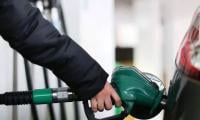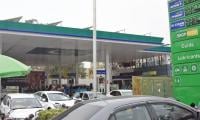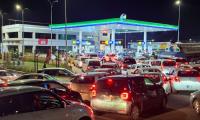
KARACHI: Rising fuel prices are placing increasing pressure on everyday commuters, delivery riders and small transport operators, prompting calls for smarter and more targeted subsidy mechanisms to protect vulnerable segments of society.
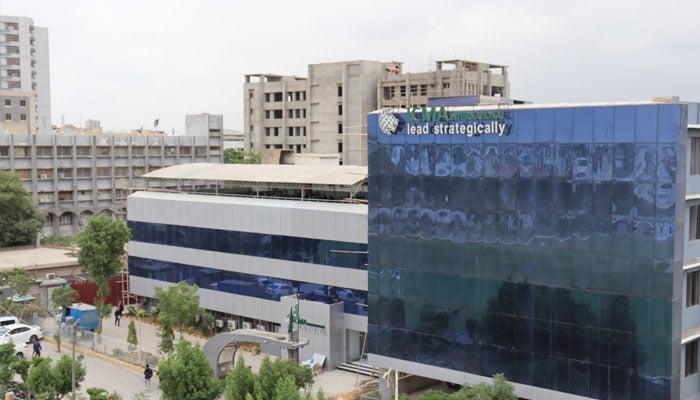
In this context, the Institute of Cost and Management Accountants of Pakistan (ICMA) has released a policy report welcoming the government’s proposed mobile app-based fuel quota system for motorcycles and rickshaws, with plans to extend it to small cars up to 800cc.
The report, prepared by ICMA’s Research and Publications Department, describes the initiative as a positive shift away from blanket fuel subsidies, which have historically strained the national budget while disproportionately benefiting higher-income groups.
“This app is a positive step towards smarter and fairer fuel subsidies,” said Muhammad Yasin, vice president at the ICMA. “With inclusive access, clear operational systems and proper oversight, it can protect ordinary citizens and small businesses while ensuring responsible use of public resources.”
Pakistan is facing mounting pressure on its fuel supply system due to global oil price volatility, geopolitical tensions in the Middle East and sustained domestic demand. Petroleum imports reached around $6 billion in FY2025, weighing on foreign exchange reserves, while total consumption stood at 13.17 million tonnes during July-March, with the transport sector accounting for nearly 80 per cent.
Motorcycles and scooters account for about 78 per cent of registered vehicles, while rickshaws make up roughly 8.0 per cent, underscoring their importance for low- and middle-income households. However, existing subsidy frameworks have often favoured private car owners over these groups.
The proposed system aims to address this imbalance by enabling users to register through a mobile application using their CNIC and vehicle details, allowing them to generate digital fuel vouchers redeemable at petrol stations.
To operationalise the system, the government plans to deploy around 24,000 devices at fuel stations for voucher verification and integrate them with central systems. Oil marketing companies will oversee on-ground implementation, while the Ministry of IT, the National Information Technology Board, the Oil and Gas Regulatory Authority (Ogra) and the Petroleum Division will manage digital infrastructure, compliance and supply coordination.
Despite its potential, the ICMA highlighted several implementation challenges, including the need for reliable connectivity, staff training and large-scale system management. Risks such as duplicate registrations and misuse of quotas were also identified as key concerns.
To address these issues, the report recommends introducing SMS- and USSD-based options alongside the mobile app to ensure access for users without smartphones or internet connectivity. It also suggests district-level registration drives in collaboration with NADRA and excise authorities to verify eligible users.
The ICMA further proposed a tiered quota system to ensure fairness, with higher allocations for essential service providers and delivery riders, separate quotas for commercial operators such as rickshaw drivers, and standard allocations for daily commuters.
The report emphasised the need for real-time monitoring systems, transparent emergency override mechanisms and region-specific quota controls to prevent misuse and improve efficiency. Public awareness campaigns and accessible complaint mechanisms were also deemed critical for building trust and ensuring smooth adoption.
The ICMA recommended a phased rollout of the system, starting with pilot projects in selected districts, followed by expansion to urban centres and nationwide implementation within a year, supported by regular performance reviews.
Drawing on international examples, the report noted that countries such as Australia, Sri Lanka, Germany and the UK have adopted targeted approaches to fuel subsidies during recent energy crises, demonstrating the effectiveness of transparent and flexible systems.
The ICMA concluded that, with proper design and execution, Pakistan’s fuel quota system could help shield low-income groups from price shocks, improve subsidy efficiency and enable the government to redirect fiscal resources towards priority sectors such as education, healthcare and economic development.