KARACHI: Iran’s currency has witnessed a sharp recovery against the Pakistani rupee as optimism for a ceasefire in the Middle East conflict has increased, following indications from the US that the war may soon end, potentially easing sanctions on Iran, traders say.
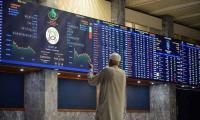
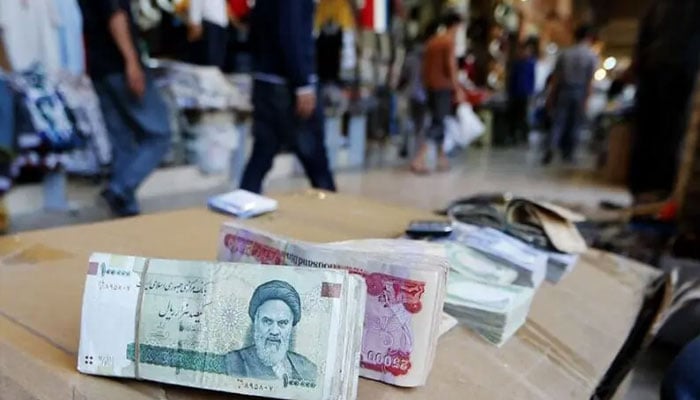
The demand for Iran’s rial has surged significantly, resulting in its overvaluation, as it has risen fourfold against the local currency in the open market, according to Malik Muhammad Bostan, chairperson of the Exchange Companies Association of Pakistan (ECAP).
Ten million Iranian rials, which were previously trading at approximately Rs2,500 at the onset of the war in late February, are now being exchanged for around Rs10,000, Bostan said. He noted that individuals are purchasing the Iranian currency due to positive sentiment, fuelled by expectations that the conflict will soon end and all sanctions on Iran will be lifted, as this is a primary demand of the Iranian government in the negotiations.
The abrupt increase in the value of the Iranian rial, according to analysts, may be due to rising oil prices, which strengthen currencies that are net exporters of oil. Iran reportedly raised its oil exports by 30 per cent in early March, despite blocking the Strait of Hormuz to Arab producers in reaction to the US-Israeli war. Because increased oil production can boost the nation’s economic prospects, this has given Iran’s rial more support.
However, dealers said that the Middle East’s situation remains unpredictable and heavily dependent on what happens there. They are now keeping a tight eye on the US president’s upcoming speech, which is anticipated to shed further light on the conflict’s future course.
The rising trend of investment in Iranian currency, according to Zafar Paracha, secretary general of ECAP, is a positive development in light of expectations for post-war economic growth. He did, however, warn that speculators and manipulators are active during times of crises.