Islamabad: Minister of State Dr. Malik Mukhtar Ahmad Bharath, along with James Malar, Technical Lead of the Stop TB Partnership, formally launched Pakistan’s Integrated OneImpact on the Dopasi Foundation Community Platform. The initiative aims to enhance digital community engagement, service access, and community-led monitoring across TB, HIV, Malaria, and Immunisation sectors, says a press release.
The launch was hosted by Dopasi Foundation and attended by Muhammad Aslam Ghauri, Secretary Ministry of National Health Services; Kinz ul Eman, CEO Dopasi Foundation; Dr. Abdul Wali Khan, DG Health; Dr. Shabana Saleem, DG Population Programme Wing; Dr. Faisal Rifaq, CCM Pakistan; Dr. Faisal Siraj, Program Manager TB; Dr. Syeda Rashida Batool, District Health Officer Islamabad; Dr. Soofia Younas, Director Programmes; Dr. Muhammad Mukhtar, Director Directorate of Malaria Control; Dr. Sher Afgan Raisani, Provincial TB Control Program Balochistan; and Dr. M. Talha Zia Khan, Program Director Provincial TB Control Program Punjab, along with other senior government officials, partners, and public health experts.
In his address, Dr. Bharath stated that all TB, Malaria, and HIV (AIDS) patients should be registered on the platform so their perspectives can be heard and their issues effectively addressed.
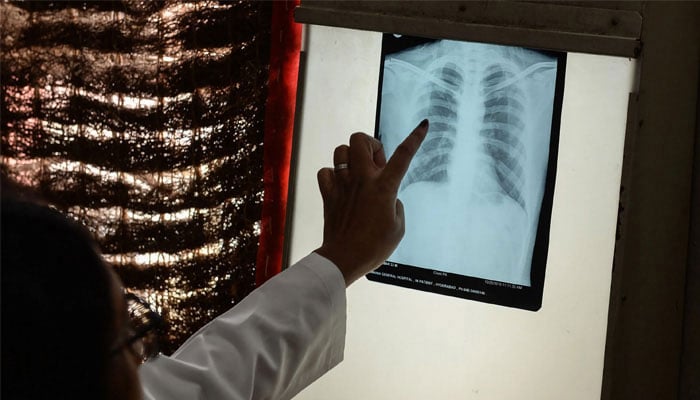
According to Dopasi Foundation, Pakistan has expanded the platform beyond TB to include HIV, Malaria, and Immunization, making it the world’s first integrated community-led digital monitoring platform. The platform helps communities access reliable health information, identify nearby health facilities, connect with support systems, and report barriers to care. It is particularly helpful in addressing awareness gaps and improving access to services, even where free TB treatment is available.
Participants emphasized that stronger community engagement, better use of information, and a more integrated health system are essential for improving access, trust, and continuity of care. The platform was recognized as an important step toward formally incorporating community feedback into the health system.
The role of the Stop TB Partnership and provincial TB control programs, particularly in Punjab and Balochistan, was also appreciated for strengthening community-based initiatives and bringing services closer to the people.