ISLAMABAD: Taking notice of the alarming increase in gas cylinder explosions across the country, the Senate Standing Committee on Cabinet Secretariat, termed the situation a matter of serious public concern and questioned the role of law enforcement agencies and regulatory bodies, asking when concrete measures would be implemented.
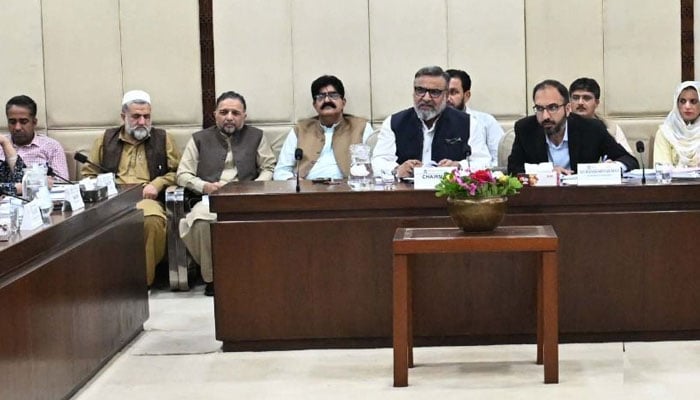
A meeting of the Senate Standing Committee on Cabinet Secretariat was presided over by Senator Amir Waliuddin Chishti here at the Parliament House on Monday, where an extensive discussion on the alarming increase in gas cylinder explosions across the country was held, terming the situation a matter of serious public concern.Critical issues related to public safety, regulatory gaps and governance failures were taken up in detail.
Senator Aimal Wali Khan demanded a comprehensive and data-driven report on gas cylinders and their usage trends. He also sought detailed monthly consumption figures and a consolidated report on gas cylinder explosions over the past 10 years. Raising questions over accountability, Senator Aimal Wali stressed the need for transparency in investigations and action against those responsible for such incidents. He questioned, “Laws are made, who will implement them and how will they be implemented?” and further remarked, “We are only making laws, implementation is nowhere to be seen.”
The committee expressed concern over ambiguity regarding the powers of the Oil and Gas Regulatory Authority (OGRA), particularly in relation to enforcement responsibilities. The members debated whether additional powers should be granted to OGRA, while also questioning its current performance. Serious reservations were raised regarding the quality and safety standards of gas cylinders nationwide, with members questioning whether manufacturing in the country meets acceptable safety benchmarks. Senator Aimal Wali pointed out structural discrepancies in the sector, noting that only 18 companies are registered across Pakistan, while a single district reportedly hosts as many as 150 cylinder manufacturers, raising serious regulatory concerns. To address these challenges, he proposed the formation of a joint and empowered committee comprising MNAs, Senators and OGRA officials. He emphasised that the issue extends beyond OGRA, stating that the government must assume direct responsibility.
Senator Saadia Abbasi strongly criticised delays in legislative and executive action, stating, “Legislation is the responsibility of the government, delay is unacceptable.” She questioned the enforcement framework, asking what action would be taken against unregistered operators. Highlighting market inconsistencies, she raised concerns over the wide variation in cylinder prices, ranging from Rs5,000 to Rs15,000. The committee also pointed to the unchecked supply of illegal and substandard cylinders in the market, questioning regulatory oversight. Senator Saadia Abbasi sought detailed data on enforcement actions, including the number of FIRs registered, illegal factories shut down and shops sealed.
Raising concerns over institutional performance, Senator Saadia Abbasi questioned the role of law enforcement agencies and regulatory bodies, asking when concrete measures would be implemented. The committee recommended the introduction of strict regulatory mechanisms in the sector to ensure safety, quality control and accountability across the supply chain.
In a separate agenda item, the committee reviewed the private member bill titled “The Cannabis Control and Regulatory Authority (Amendment Bill), 2025,” moved by Senator Dr Afnan Ullah Khan. The Senate panel was informed that the Board of Directors of the Cannabis Control Authority does not support the proposed amendments in the bill due to the very nascent stage of the authority. Therefore, after deliberations, the Committee unanimously decided that the bill may not be passed.