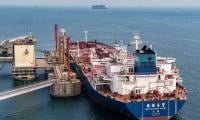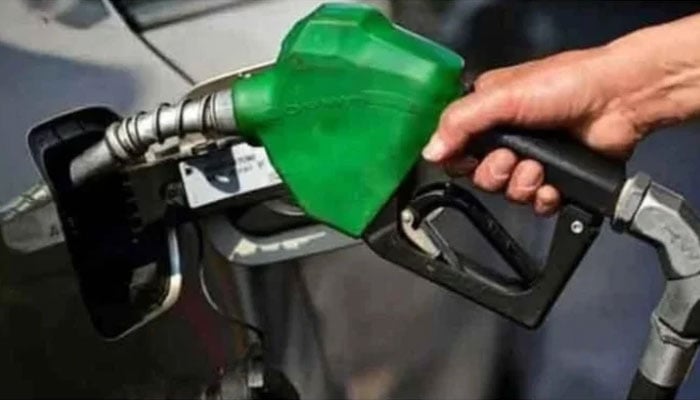
THE Strait of Hormuz blockade-driven oil shock has exposed a brutal arithmetic that policymakers keep postponing. Crude oil spiked from $71 to $146 per barrel in 14 days, almost doubling in price.
Pakistan’s government faced a choice: whether to pass the pain to consumers at the pump or absorb the bill through subsidies. It chose the latter. That choice will cost far more than anyone pretends.
This isn’t really a fuel problem. It’s a fiscal trap that leads directly to higher interest rates and a depreciating rupee. Here is how the arithmetic works out: before the shock, the government was heavily reliant on the petroleum levy to balance its books. Due to the shock, such a levy cannot be levied, resulting in deficits continuing to increase. It is estimated that a loss in revenue would result in a weekly deficit of around Rs25 billion, or a monthly deficit of Rs100 billion. Lack of willingness to pass on an increase in price will not lead to any behavioural change at the consumer level, which is the most critical during times of crisis. As consumer demand remains unchanged, demand for imported fuel and, correspondingly, US$ will continue to increase, eventually leading to depreciation of the Pakistani rupee.
To avoid such a scenario, it is critical that there is behavioural change and that the volumetric demand for imported fuel is slashed -- and this cannot be done without passing on an increase in prices, among other more radical options.
When the government cannot finance this deficit through domestic revenue, it borrows. When its borrowing requirements increase, so do the interest rates in the economy. Interest rates are a function of the demand and supply of money. As deficits increase, the demand for money by the government increases, and as demand increases, so does the price of money, which is effectively interest rates. Over the last four weeks, interest rates on treasury bills issued by the government have already increased by almost 2.0 per cent, even though the central bank has not raised its policy rate. The market is already pricing in massive deficits. The trap is further exacerbated here. The government borrows at 12-plus per cent to finance subsidies for consumption that are already unaffordable. Domestic lenders, facing better returns in government securities and higher credit risk, retreat from productive lending. Meanwhile, the deficit itself signals external imbalance, as imports exceed exports because subsidies make consumption artificially cheap while production remains uncompetitive.
A widening fiscal deficit that the government cannot finance domestically creates a balance-of-payments crisis. Capital flows dry up. Foreign investors see a government that cannot discipline its budget and a central bank forced to tighten even as the government borrows aggressively.
This is not theoretical. In 2021-22, Pakistan faced a similar shock, crude rose 75 per cent over 18 months, the government delayed subsidy removal, the fiscal deficit widened and the rupee collapsed from 170 to 240 against the dollar.
Each depreciation amplifies import costs, fuel, food and machinery, feeding back into inflation and justifying further rate hikes. The State Bank is forced into a corner, wherein to tighten rates to anchor expectations and defend the currency, knowing that tightening deepens the fiscal trap by making government debt service more expensive. The question policymakers avoid is: at what point does a fuel subsidy cost more, including the interest burden and currency collapse, than the original price shock itself?
Subsidy removal is not optional. It is the only mechanism to break the fiscal-monetary trap. Protect the poor, not consumption. Without subsidy removal, Pakistan trades short-term consumption comfort for long-term currency and debt stress. The math will resolve this debate, one way or another. The government can choose to remove subsidies now -- in a planned and targeted manner. Or the rupee will remove them later -- in the chaos of depreciation.