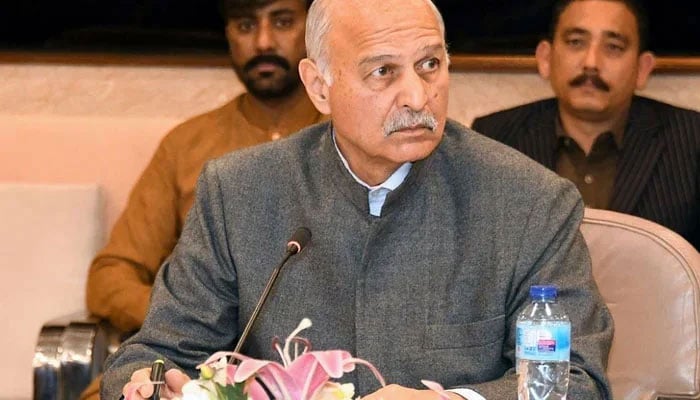
ISLAMABAD: A heated exchange between Pakistani senator Mushahid Hussain and a former Israeli national security adviser has underscored deep divisions over the ongoing Iran war, with the Pakistani lawmaker alleging a broader regional agenda of a “Greater Israel” even as debate continues over prospects for peace.
According to Al Arabiya English, the clash occurred during a televised debate where participants discussed competing claims by the United States and Iran over a proposed peace deal, as well as the broader strategic balance in the conflict.
Former Israeli national security adviser and former Maj Gen Yakov Amidror defended Israel’s military campaign, arguing that operations were proceeding according to plan and significantly degrading Iran’s capabilities. He rejected claims that Israel was running low on defensive resources and insisted that the country could sustain military operations for weeks.
In contrast, Pakistani Senator Mushahid Hussain argued that Iran had demonstrated resilience and strategic leverage, particularly through its control over the Strait of Hormuz. He said both Washington and Tel Aviv had miscalculated, and claimed that the conflict was part of a wider attempt to politically reshape the Middle East in line with what he described as a “Greater Israel” vision.
The debate also featured US analyst Brandon Weichert, who warned that the conflict risked turning into a prolonged war of attrition, with mounting economic and political costs for the United States. He suggested that neither side appeared ready for meaningful negotiations, raising concerns of further escalation.
The exchange highlighted broader disagreements over whether Iran or the US-led alliance currently holds the upper hand, with conflicting narratives on military effectiveness, economic strain, and political resolve continuing to shape perceptions of the war.