LAHORE: The ongoing conflict in the Gulf region has severely disrupted established maritime routes, triggering a significant shift in global shipping patterns and creating new trade opportunities for Pakistan, said Faheem ur Rehman Sehgal, President of the Lahore Chamber of Commerce and Industry (LCCI).
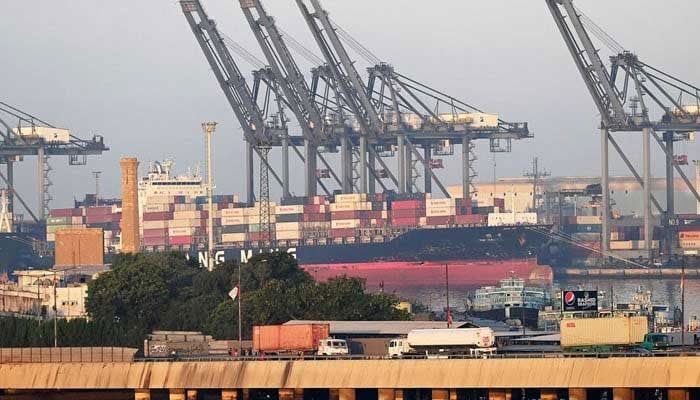
Speaking to Jang, he noted that escalating tensions in the Middle East have affected traditional sea lanes, compelling international shipping companies to reroute cargo through Pakistani ports, including Karachi Port, Port Qasim and Gwadar Port. As a result, port activity across the country has witnessed a sharp increase.
Mr Sehgal said that global shipping firms, impacted by disruptions in conventional Gulf routes, are now incorporating Pakistani ports into their logistics networks, thereby significantly expanding port-related opportunities for the country. He added that the partial closure of key regional hubs, such as Jebel Ali Port and Abu Dhabi Port, has further contributed to the diversion of maritime traffic towards Pakistan.
He revealed that recent trade data indicates an extraordinary surge of up to 1,400 per cent in cargo handling and transshipment activities at Karachi Port, attributing this increase directly to the Gulf conflict and the resulting shift in shipping routes.
The LCCI president emphasised the need for Pakistan to enhance port capacity, international services and logistics infrastructure in order to attract global shipping companies and traders. He said that the Ministry of Maritime Affairs is actively working on the issue, and that the chamber will soon submit recommendations on how to maximise the benefits of the evolving situation.
Highlighting operational measures, he said that the Karachi Port Trust has begun allocating terminal slots to vessels to manage increased maritime traffic and ensure the smooth flow of trade. He noted that around 50,000 containers are currently being handled under port facilities.
Maritime authorities, he added, have reviewed the operational readiness of Port Qasim, Karachi Port and Gwadar Port to offer comprehensive services — including container handling, bulk cargo operations and refuelling (bunkering) — to international shipping lines.
Mr Sehgal observed that the decline in efficiency at some global ports due to the conflict has prompted shipping companies to seek stable and functional alternatives, placing Pakistani ports in a favourable position.
He maintained that Pakistan, by leveraging its strategic geographic location and expanding port services, has begun to play a more prominent role as a regional trade hub. With timely policy measures, he said, the country could significantly boost economic growth, exports, imports and employment opportunities.
He added that Pakistani ports are being aligned with evolving global market requirements and are well placed to fill the trade vacuum created by the ongoing conflict, thereby opening new avenues for foreign investment and strengthening international trade relations.