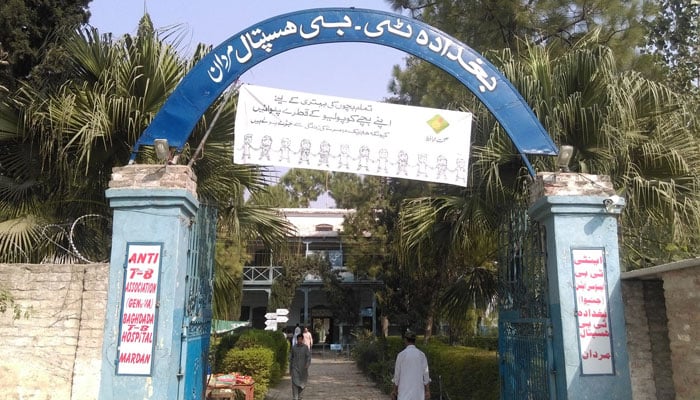
MARDAN: In the quiet surroundings of Mardan, there exists a place where the breath of history still exists, albeit faintly.
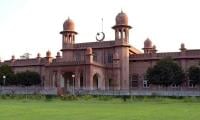
The Baghdada Tuberculosis Hospital, established on 18th November 1907 by Lady Deane, was a ray of hope in a world where tuberculosis was a major killer. The Baghdada TB Hospital was not just a medical facility; it was a symbol of kindness, ingenuity, and selfless service in the colonial era. Its well-planned open-air design was meant to provide fresh air to the patients, a reflection of the medical knowledge of the era.
The flowing fountain was a reflection of life in the otherwise sterile environment of the hospital. Nearby was the residence of Lady Deane, a reflection of the dedication that went into the establishment of the noble endeavour. Today, the story has changed.
The once-thriving hospital now stands in ruins, the walls bearing witness to a bygone era that is slowly fading into oblivion. What was once a symbol of hope and service has now become a forgotten monument, the significance of which has faded into the realms of indifference.
However, the site of the Baghdada TB Hospital is not just a ruin, it is a breathing monument of history.
According to the Khyber Pakhtunkhwa Antiquities Act, 2016, a structure that has stood the test of time for over 100 years qualifies to be considered an antiquity.
Such a site not only comes under the purview of the law but also becomes a priceless cultural asset that cannot be damaged or altered in any way. The Baghdada TB Hospital stands at a crossroads today.
It could continue to stand in obscurity, or it could be revived as a symbol of our glorious past. The walls may be silent today but they still have a story to tell if only we are willing to listen.