LAHORE: The three-week Iran-Israel war has triggered a global energy shock of extraordinary proportions, arguably the most severe since the 1970s oil crises. Unlike previous geopolitical flare-ups that primarily affected prices, this conflict has struck both energy supply and infrastructure.
For a country like Pakistan, already grappling with economic fragility and energy dependence, the consequences could be profound and long-lasting. Wars eventually end, but their economic aftershocks can linger for years. For Pakistan, the Iran-Israel conflict is not a distant geopolitical event; it is a direct threat to economic stability, food security and social cohesion. The time to act is now, before a temporary disruption turns into a prolonged national crisis.
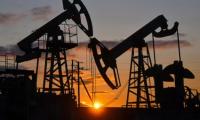
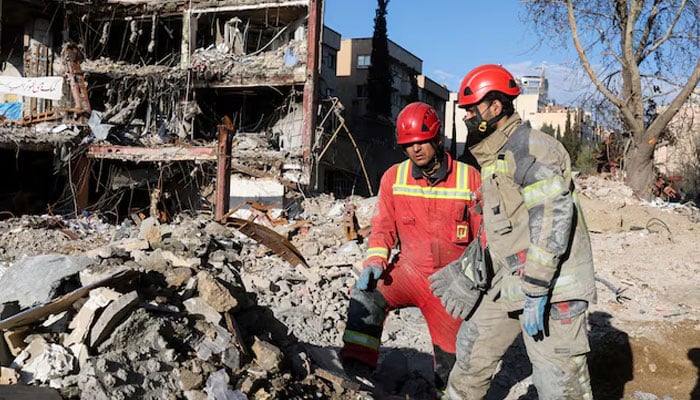
At the centre of the crisis lies the disruption of oil and gas flows through the Strait of Hormuz, a narrow chokepoint that carries nearly one-fifth of the world’s traded oil. Even partial disruption has removed millions of barrels per day from global markets. More worrying, however, is the direct damage inflicted on energy infrastructure, refineries, pipelines, storage facilities and gas processing plants across the region. This dual shock, physical destruction and logistical disruption, has magnified the crisis beyond a mere price spike.
Even if a ceasefire were to take effect today, normalcy would not return quickly. While shipping lanes might reopen within weeks, restoring confidence among insurers, tanker operators, and global buyers will take longer. More critically, damaged infrastructure cannot be repaired overnight. Oil facilities may take weeks or months to restore, but gas infrastructure, particularly LNG terminals and processing plants, could take years. This distinction is crucial, as it suggests that while oil markets may stabilise relatively sooner, gas shortages could persist well into the medium term.
For Pakistan, the implications are stark. The country imports nearly 85 per cent of its oil and relies heavily on liquefied natural gas (LNG) to meet domestic energy needs. Compounding this vulnerability is the lack of strategic reserves. Unlike major economies that maintain months of reserves, Pakistan’s oil storage capacity barely covers a few weeks, while LNG storage is virtually non-existent. This leaves the country dangerously exposed to even short-term disruptions.
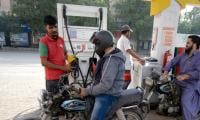
In the immediate term, Pakistan faces the risk of supply shortages, price spikes, and potential fuel rationing. Higher oil prices will inflate the import bill, exert pressure on foreign exchange reserves, and accelerate rupee depreciation. Inflation, already a persistent challenge, could surge further, eroding purchasing power and deepening economic distress.
Yet, the more insidious impact may emerge through the agriculture sector. Fertiliser production in Pakistan is heavily dependent on natural gas. Any disruption in LNG supplies will directly affect the availability of urea and other essential inputs. At the same time, global fertiliser supply chains, many of which pass through the Gulf, are also under strain. The result is a likely shortage accompanied by sharply rising prices.
The consequences for agriculture could be severe. Farmers facing higher input costs and uncertain fertilizer availability may reduce usage, leading to lower crop yields. Diesel price increases will further raise the cost of operating tractors and tube wells, while electricity and gas shortages will disrupt irrigation and agro-processing. Together, these factors point towards reduced agricultural output and rising food prices, an outcome that could exacerbate food insecurity in a country already struggling with high levels of poverty and malnutrition.
This unfolding crisis underscores a harsh reality: Pakistan’s energy vulnerability is not merely cyclical but structural. Decades of underinvestment in domestic energy resources, inadequate storage infrastructure, and over-reliance on imports have left the economy exposed to external shocks.
The current crisis should serve as a wake-up call. Policymakers must urgently prioritise the development of strategic oil reserves, diversification of energy sources, and investment in local alternatives, including renewables and indigenous gas exploration. Equally important is the need to rationalise energy consumption and improve efficiency across sectors.