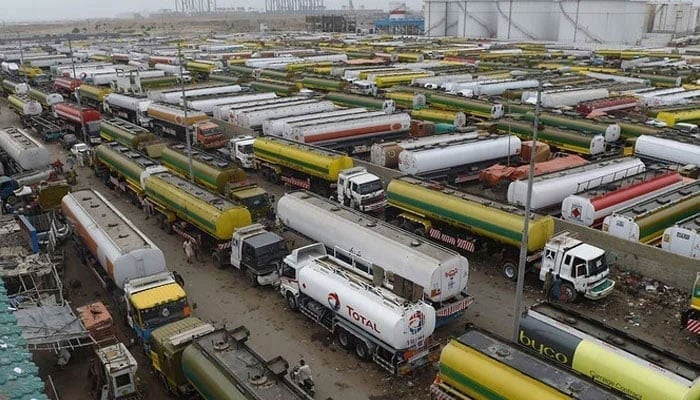
KARACHI: The refining sector is preparing for a fresh round of furnace oil exports, as multiple refineries move to offload surplus stocks amid subdued domestic demand and tight storage capacity.
Pakistan Refinery Limited (PRL) is set to load around 37,000 tonnes of furnace oil in the coming days, according to industry sources. The cargo is expected to be lifted shortly, marking another step in the refinery’s efforts to manage excess inventory.
Like other refiners, PRL has been hit by declining local consumption of furnace oil, largely due to the power sector’s shift towards alternative fuels such as LNG, hydropower and renewables. Meanwhile, Pak-Arab Refinery Limited is also preparing to export furnace oil by the end of March. Sources familiar with the matter said the refinery is finalising logistical arrangements and coordinating with buyers to ensure a timely shipment.
PARCO, one of the country’s largest and most complex refineries, has increasingly turned to export markets to maintain operational efficiency and avoid production slowdowns caused by storage constraints.
In parallel, National Refinery Limited is awaiting regulatory clearance to proceed with a sizeable export plan. The refinery has sought approval from the Oil and Gas Regulatory Authority (Ogra) to export between 40,000 and 60,000 tonnes of furnace oil.
Industry insiders said that once approval is granted, NRL is likely to move swiftly to secure cargo nominations and shipping schedules.The expected exports come as Pakistan’s refining industry grapples with structural challenges. Furnace oil, once a key fuel for power generation, has seen a steady decline in domestic use in recent years, creating a supply glut and forcing refiners to either cut throughput or seek export outlets.
Exports, however, are not without challenges. Global demand remains volatile, while pricing pressures in international markets can weigh on margins. Logistical constraints and regulatory approvals can also delay shipments, adding to operational complexity.
Despite these headwinds, industry stakeholders see exports as a necessary response. By offloading surplus furnace oil, refineries can sustain crude processing levels and ensure continued output of higher-value products such as diesel and petrol, which remain in strong domestic demand.