DUBAI: Authorities in the United Arab Emirates have privately indicated they will allow expats to spend more time abroad without losing their lucrative tax status as the country tries to incentivise residents who fled after the outbreak of the Iran conflict to return, the Financial Times reported.
People who have left the Gulf state since the start of the war are likely to be shown greater leniency on rules that require them to be present in the UAE for a minimum number of days each year to qualify as tax residents, according to people briefed on authorities’ plans.
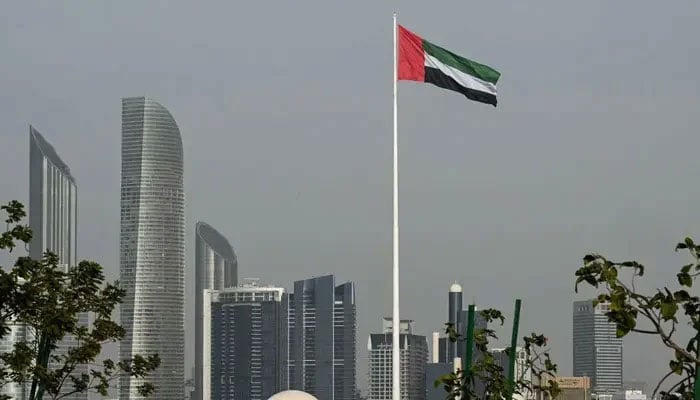
The move would be particularly important for Dubai, which has become the region’s financial centre, attracting wealthy individuals with its zero income tax rate as well as a reputation for safety and an abundance of capital.
“Dubai has already seen its safety and security selling point damaged by recent events. It is really important for its economy and image to retain these expats,” said Elsa Littlewood, a tax partner at BDO who advises wealthy people.
The UAE operates two tracks for expats seeking to benefit from tax residency. Individuals typically have to spend 183 days there within a consecutive 12-month period, or 90 days if they have significant ties to the country such as employment or a permanent home. Senior officials at the UAE’s Federal Tax Authority are reluctant to issue blanket exemptions but have advised that applications will be addressed on a case-by-case basis once the conflict has ended, according to two lawyers briefed by the FTA.
It is working on rule relaxations with the Federal Authority for Identity, Citizenship, Customs and Port Security. As well as day counts, the UAE has a “centre of life” clause which allows tax residency if a person’s “usual or primary residence and centre of financial and personal interests” are in the UAE. Force majeure may also be taken into account by authorities when determining residency. “The UAE government will react to the situation as needed, taking into consideration travel disruption on a case-by-case basis,” said Michael Kortbawi, senior partner at Dubai’s BSA Law.
Some wealthy residents left the UAE this month as Iran started attacking US allies in the region before racing back to avoid losing their
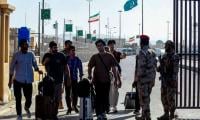
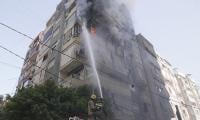
tax status. But the resolve of some of these expats has weakened as the war enters its third week and crucial infrastructure has been targeted, including Dubai’s financial district, where many of them work. British Airways has cancelled all flights to Dubai until at least June, making it harder for those abroad to return, and the UAE’s airspace has experienced sporadic closures. The test for UAE residency starts on January 1, meaning that people who left when the Iran war started on February 28 risk losing their tax status unless they return in the coming months or the rules are softened.