LAHORE:The Punjab Health and Population Survey (PHPS 2024–25) has highlighted key gaps in service delivery and access.
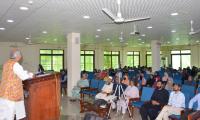
The PHPS 2024–25 was officially launched jointly by the Population Council in collaboration with the Bureau of Statistics Punjab (BoSP), here at an event on Wednesday.The PHPS 2024–25 was conducted under the National Health Support Programme (NHSP) with technical support from the Population Council. It is designed to generate robust, district-level evidence to support planning and policy formulation, enhance service delivery in health and family planning, and monitor key indicators related to Universal Health Coverage (UHC).
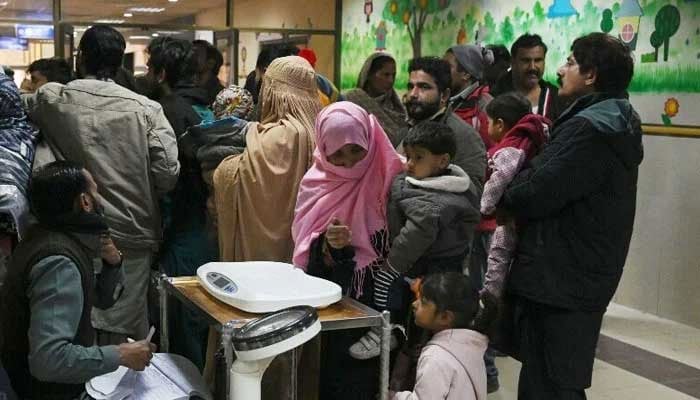
The preliminary findings from the PHPS 2024–25 revealed that while antenatal care (ANC) coverage is high, many women do not complete the recommended four or more visits. Disparities persist in skilled birth attendance across districts, and the uptake of modern contraceptive methods remains low in several areas. The survey also points to gaps in post-natal care services and counselling, while inequities in access continue to disproportionately affect rural and vulnerable populations.
The findings of the PHPS 2024–25 are expected to play a critical role in informing policy decisions and strengthening health systems across Punjab, supporting more equitable and effective delivery of maternal, reproductive, and population health services.
Speaking as a Chief Guest, Saira Afzal Tarar, MNA and Adviser to Chief Minister Punjab on Population, highlighted the importance of evidence-based governance in improving health and reproductive outcomes across Punjab and emphasised the critical role of collaboration among government institutions, development partners, civil society organisations and the media.
She remarked, ‘The Punjab Health and Population Survey provides us with an invaluable roadmap to strengthen health systems and ensure equitable access to reproductive and maternal health services. By working together—government, partners, civil society and media—we can transform data into meaningful action that reaches every community, especially the most vulnerable. Evidence-driven planning is not just a technical exercise; it is the foundation for a healthier, more empowered Punjab.’
Dr Zeba Sathar, Country Director, Population Council, provided an overview of the survey background, highlighting its role in generating actionable evidence to improve health outcomes and support the province’s Universal Health Coverage (UHC) goals. It also contributes to strengthening initiatives such as the Punjab Family Planning Programme (PFPP).
The event brought together government officials, development partners, civil society organisations, researchers, and media representatives, reflecting a strong collective commitment to improving health and population outcomes across the province.