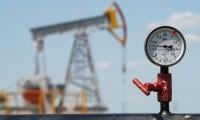
PARIS, France: The war in the Middle East has largely paralysed the Gulf region´s crucial oil industry, which has been hit by attacks and an export blockade.
The war has forced companies to dramatically slow or even halt production -- and restarting it will not be easy, even when the war is over.
Since the war started with US-Israeli strikes on Iran on February 28, at least 33 strikes or attempted strikes have targeted energy infrastructure in the Middle East, according to an AFP tally.
The United States and Israel carried out 13 of them against Iran.
The other 20, which struck seven Gulf countries, were attributed to Iran.
The strikes mostly hit oil and gas fields or complexes, such as the massive Ras Tanura refinery in Saudi Arabia, Ras Laffan gas processing base in Qatar and the complex housing the Ruwais refinery in the United Arab Emirates.
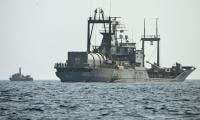
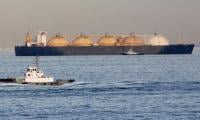
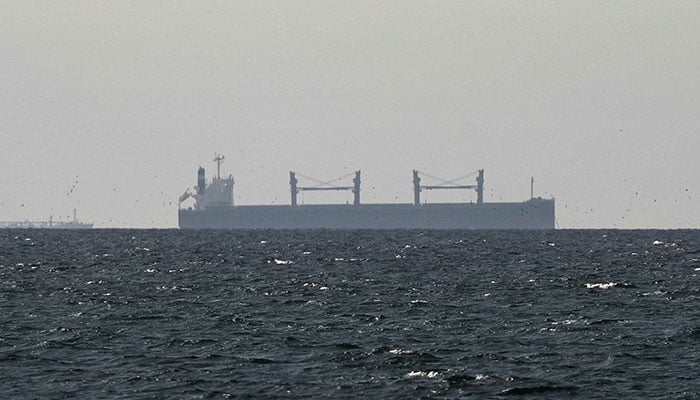
Iran has also effectively blocked the crucial Strait of Hormuz, the usual shipping lane for around 20 per cent of the world´s oil and liquefied natural gas output.
Some infrastructure has been damaged.
Other facilities have closed or reduced activity as a precaution, such as Ruwais.
The near-closure of the strait has also had a major impact.
Gulf countries´ output of oil and oil products has plunged from 30 million barrels per day last year, excluding Oman, to 20 million currently, according to the International Energy Agency (IEA).
It said the amount passing through the Strait of Hormuz had fallen to less than 10 per cent of pre-war levels.
Saudi Arabia and the UAE have pipelines that can send some oil beyond the region, but their capacity is limited.
The result is storage facilities that are full to the brim.
“That´s the main issue at the moment,” an industry insider told AFP.
“Since there aren´t enough ships to empty the storage facilities and export the product, suppliers have to stop production.” There is no easy fix, warned Pankaj Srivastava, a commodities expert at Rystad Energy.