ISLAMABAD: Pakistan raised the price of re-gasified liquefied natural gas by more than 22 per cent for March 2026, basing the increase on two cargoes that arrived before the Middle East crisis began, were purchased under long-term fixed crude-linked contracts and had no exposure to international gas market volatility, a top official confirmed to The News.
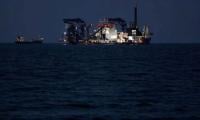
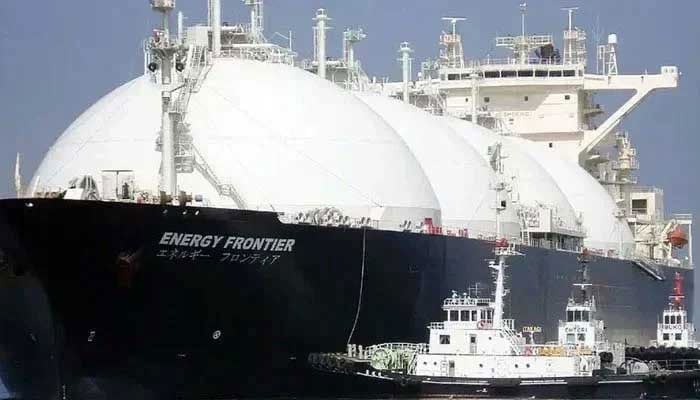
The two LNG cargoes departed Qatar on Feb. 23 and 24, docking at Pakistan Port Qasim on Feb. 27 and 28 -- days before QatarEnergy suspended production at its 77-million-tonne-per-year LNG complex following drone attacks on March 2.
Procured by Pakistan State Oil under long-term supply agreements tied to crude oil prices at a fixed slope, not spot gas market rates, officials acknowledged the shipments bore no direct link to the international gas price volatility the government cited to justify the hike. The move critics say left consumers paying a crisis premium for pre-crisis gas.
“OGRA just determines prices on the basis of documents the Power Division provides,” the regulator’s spokesperson said.
The pattern is not new. Officials said the same approach was applied to oil prices last week, imports procured earlier at lower costs repriced upward using the Platts formula after the crisis erupted, effectively passing a market shock onto consumers for commodities already in hand.
The Oil and Gas Regulatory Authority’s notification raised RLNG distribution prices for Sui Northern Gas Pipelines Ltd. consumers by 19.32 percent from February levels, climbing $2.22 per MMBtu to $13.55. Sui Southern Gas Company Ltd. consumers faced a steeper 22.04 percent jump, with prices rising $2.26 per MMBtu to $12.53. The government also cited higher delivered ex-ship prices, rising import costs and terminal charges — all of which, officials noted, increased only after the crisis began.
Pakistan’s LNG supply situation remains precarious. Only two cargoes sit at Port Qasim. This is the lowest procurement since the country began importing the fuel. Officials said the government will be stretching them across the next two weeks. Six additional cargoes in the pipeline have been blocked by the regional crisis, he added.
The supply crunch traces directly to Qatar, the world’s largest LNG exporter. After drone strikes on its energy infrastructure on March 2, QatarEnergy declared ‘force majeure’ on shipments, halting deliveries to major markets across Europe and Asia. Experts warn restoring normal supply could take “weeks to months” even if hostilities ceased immediately.
RLNG provides roughly one-fifth of Pakistan’s total energy mix, serving as a critical buffer during domestic gas shortages. The government projects that RLNG share will fall to zero by 2035.