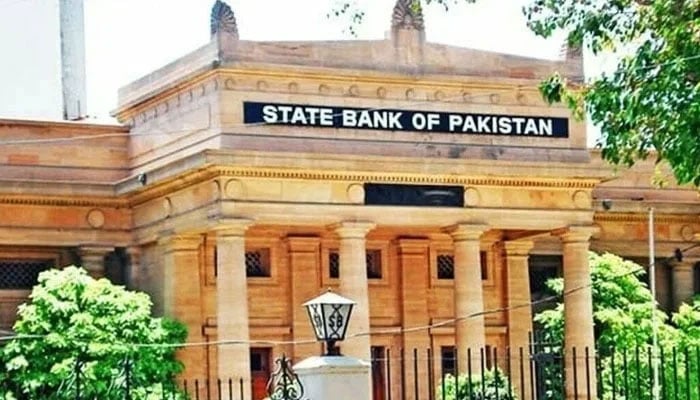
KARACHI: The State Bank of Pakistan is expected to keep interest rates unchanged at a monetary policy meeting on Monday, analysts said, as the fluctuating oil prices and the widening Middle East conflict create uncertainty around inflation and limit potential for monetary easing.
The central bank held the policy rate at 10.5 per cent in January and has reduced the benchmark rate by a cumulative 11.5 percentage points since mid-2024, down from a record high of 22 per cent.
“We believe the ongoing geopolitical events, particularly the US-Iran escalation and the volatility in crude oil and other commodity prices, would weigh on the MPC’s [Monetary Policy Committee] decision to hold interest rates at the current level,” said Mustafa Mustansir, the head of research at Taurus Securities Limited.
“In the case of Pakistan, other risks also persist, which include a drop in remittances (more than 50 percent of remittances come from the GCC) and a decrease in exports to the GCC (10 percent of total exports are to the UAE),” Mustansir said. “This would undermine Pakistan’s external position and inflow of FX.”
According to Mustansir, disruptions in energy supply could negatively impact overall economic activity in the country, posing a significant risk to GDP growth. Additionally, one would anticipate an increase in Pakistan’s import bill — petroleum imports account for 25 per cent of the total imports — and a rise in headline inflation as the cost of supply increases due to soaring commodity prices, particularly crude oil.
Pakistan’s consumer price index inflation rose to 7.0 per cent year-on-year (YoY) in February. The inflation rate stood at 5.8 per cent in the previous month.In a recent briefing to the Senate Standing Committee on Finance, SBP Governor Jameel Ahmad stated that despite ongoing regional conflicts and global economic uncertainties, the country is projected to achieve economic growth of 3.75-4.75 per cent while maintaining inflation within a range of 5 to 7 percent for the current fiscal year. He cautioned that if the Middle East conflict continues for an extended period, international oil prices could rise to approximately $100 per barrel. Nevertheless, he assured that the current account deficit would remain contained at 0-1 per cent of GDP, even with higher oil prices.
An analyst from Topline Securities believes interest rates will remain unchanged as the impact of the ongoing regional war on domestic inflation — particularly in terms of rising oil prices and potential shortages — has yet to unfold. However, if the situation continues to escalate, a rate hike to address its impact cannot be ruled out. He noted that while Brent oil prices have increased by 25 percent over the past 2-3 weeks, global prices for diesel and petrol have risen by 37-49 percent due to surging refining spreads. “USD Index has also increased 2.4 percent and is currently at 99. If this sustains, the REER [real effective exchange rate] index for the Pakistani rupee may further appreciate and trigger/warrant slight depreciation of the rupee, in our view,” he added.
Topline Research conducted a poll of key market participants, revealing that 92 per cent expect no change in the policy rate amid regional tensions. Additionally, 62 per cent anticipate that the turmoil will last for two to five weeks. Regarding the interest rate target for June 2026, 60 per cent believe the policy rate will remain at 10.5 per cent, while 24 per cent expect it to rise above 10.5 per cent.