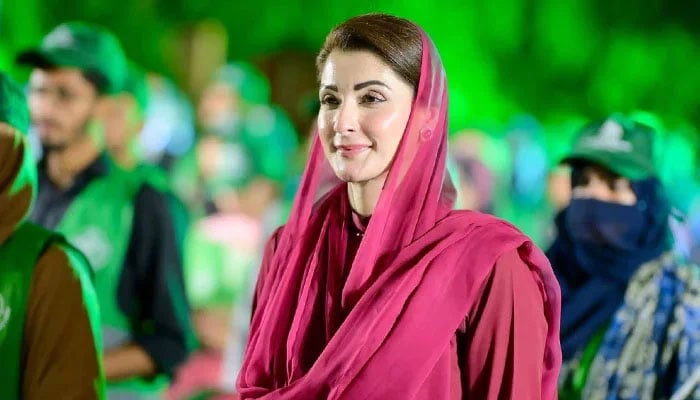
LAHORE: Punjab Chief Minister Maryam Nawaz has approved the mandatory installation of e-tags on all vehicles, including motorcycles, across the province and sought a comprehensive micro-security plan within the next seven days.
Chairing a meeting on law and order here on Monday, the chief minister took a series of key security decisions aimed at strengthening surveillance, border monitoring and counterterrorism preparedness. The meeting approved the establishment of a Punjab Cyber Crime Investigation Unit and the appointment of its head. A dedicated cell will be set up to address cases involving women and girls affected by cybercrime, while district-level online crime centres will also be established.
She directed authorities to ensure a ban on movement through non-traditional provincial entry points and ordered strict enforcement of restrictions on drones across the province. Approval for installation of searchlights at provincial entry routes and drone surveillance was granted. She directed that rooftop security monitoring at checkpoints be ensured and called for immediate steps to procure the latest drone defence systems.
Emphasising proactive policing, she ordered that combing operations against criminals and terrorists continue without interruption. She also instructed that the RMP unit, established for crowd management, be provided advanced training and modern security equipment.
It was agreed that security standard operating procedures (SOPs) for Yaum-e-Hazrat Ali (RA) would be finalised after consultation with religious scholars. The chief minister appreciated the role of scholars in maintaining peace and urged them to continue cooperation in preserving law and order.
She commended Provincial Minister Khawaja Salman Rafique and the Lahore Police for handling the situation in Lahore and other parts of Punjab in a timely manner. The CM observed that everyone must remain united and vigilant to eliminate terrorism. She termed the entry of a suicide attacker into Punjab through a checkpoint alarming and said complacency was not an option. “The methods of warfare have changed; we must prepare ourselves accordingly,” she said, reiterating that collective effort and alertness were essential to maintain peace and stability in the province.
Meanwhile, Maryam Nawaz said that every cultural day represented a beautiful tradition and a renewed pledge to remain connected with one’s values. She emphasised that the culture of every province of Pakistan deserved respect and formed the country’s collective identity.
In her message on the Baloch Culture Day, she remarked that though the flowers might be different, the bouquet was one, describing Baloch culture as deeply captivating. She noted that the dignified white turban, intricately embroidered Balochi attire and traditional Balochi dances reflected a rich and vibrant heritage that appealed to all.
She observed that Baloch culture symbolised love, courage and hospitality, and represented a graceful blend of bravery and warmth. Promoting cultural traditions is essential to familiarise the younger generation with their heritage and roots. Referring to her recent visit to Quetta, she said the remarkable hospitality and enchanting cultural expressions she witnessed there truly won her heart.