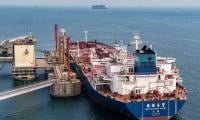
KARACHI: The Federation of Pakistan Chambers of Commerce and Industry (FPCCI) has called for urgent measures to shield the country’s trade and industry from the escalating conflict in the Middle East, warning of risks to Pakistan’s already fragile economic recovery.
FPCCI President Atif Ikram Sheikh said ongoing geopolitical volatility, particularly disruptions in the Red Sea and the Strait of Hormuz, poses a serious threat to energy security and export competitiveness.
Nearly 30 per cent of global petroleum consumption passes through the Strait of Hormuz, he noted, adding that any prolonged disruption could trigger major supply-chain shocks. “We must proactively shield our economy, secure energy lifelines and protect exporters from soaring logistics costs,” he said.
Sheikh also highlighted the country’s reliance on Gulf energy supplies. Pakistan imports more than $5.7 billion worth of crude petroleum annually, primarily from Saudi Arabia (about $3.2 billion) and the United Arab Emirates (about $2.3 billion). Including refined petroleum products, the total energy import bill reached $10.71 billion in FY25.
He warned that rerouting of commercial vessels due to Red Sea tensions could extend transit times for exports to key markets, including the EU, UK and US, by 15 to 20 days.
Freight charges on major routes could surge by as much as 300 per cent, while marine insurance premiums have risen sharply amid war-risk classifications. This would inflate the cost of imported raw materials and erode the competitiveness of Pakistan’s textile and manufacturing exports, he said.
Sheikh urged the federal government to build strategic petroleum reserves and finalise contingency agreements with key allies, including Saudi Arabia, for alternative supplies and deferred payment facilities to ensure uninterrupted crude and diesel imports.
Saquib Fayyaz Magoon, senior vice president of the FPCCI, called for freight and insurance relief through the Ministry of Commerce and the State Bank of Pakistan. He proposed a targeted package to offset higher marine insurance and freight costs, warning that failure to act could damage export earnings.
Magoon also stressed the need to maximise indigenous refining capacity and support domestic refineries. “We need a resilient, localised strategy that safeguards energy supplies and keeps export engines running,” he said, adding that the FPCCI was ready to work with the government to manage the crisis.