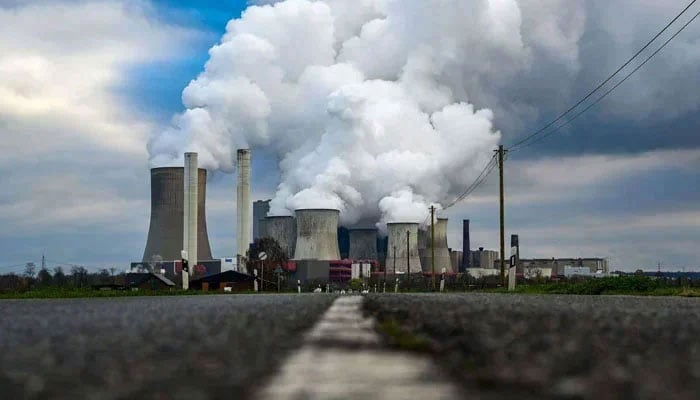
ISLAMABAD: Pakistan’s policymakers are presiding over a power system that paid Rs2.94 trillion ($10.5bn) for electricity in FY2024-25, with over three-fifth of that bill locked into capacity payments for plants that ran at barely 42.5 per cent utilisation, exposing a structural policy failure that continues to inflate tariffs and strain public finances.
A new Performance Evaluation Report of operational power plants by Nepra shows thermal plants ran at just 42.5 percent of capacity during the year, while renewable facilities averaged 36.6 percent, despite chronic complaints of high electricity prices and weak demand.
With excess installed capacity sitting underutilised, 61 percent of the Rs2.943 trillion power purchase bill, excluding imports from Iran, was swallowed by Capacity Purchase Price (CPP), the fixed payments made to producers regardless of output. Energy Purchase Price (EPP) accounted for the remaining 39pc. On a per-unit basis, CPP averaged Rs14.3 per kilowatt-hour, compared with Rs9.0/kWh for energy costs.
The imbalance underscores a structural flaw. Pakistan is paying heavily for plants it does not fully use, while continuing to dispatch expensive imported-fuel generation. Dependence on RLNG, furnace oil and imported coal inflated energy costs, even as cheaper indigenous options remained underexploited.
Part Load Adjustment Charges (PLAC) operations triggered when power plants operate below their full load capacity, fluctuating demand and intermittent renewables added Rs44.6 billion in additional adjustment costs, while renewable curtailments resulted in more than Rs13 billion in Non-Project Missed Volume payments (NPMV).
At K-Electric, the inefficiencies are particularly stark. Despite being privatised in 2005 to modernize generation and improve service delivery, the utility’s system operated at an average utilization of just 34.6pc and remains heavily reliant on imported fuels, keeping its generation costs significantly above those of the national grid. Although, a long-delayed interconnection with the national grid was energised on July 27, 2025, enabling imports of up to 2,000 megawatts, KE’s “Take-or-Pay” RLNG commitments for BQPS-III and related part-load charges continue to shape its costly generation mix, limiting the full benefit of cheaper grid power.
Elsewhere, some of the country’s most economical plants are running below potential. Uch Power and Uch-II, fueled by dedicated local gas fields, produced electricity at roughly Rs13.4/kWh yet operated below availability levels, constraining savings. Thar coal plants, among the cheapest in the merit order, averaged only 72.9pc utilisation, forcing dispatch of higher-cost imported plants and feeding into monthly fuel price adjustments borne by consumers.
Transmission bottlenecks between the south and north further restricted dispatch of cheaper generation, while outages at key low-cost plants eroded system efficiency. Meanwhile, the shift by Lucky Electric Power Company Limited from imported to Thar coal hinges on the timely completion of a rail link project, with delays in a critical segment threatening continued reliance on imports.
The report’s message is blunt, saying without aligning capacity with demand, prioritising indigenous fuels and reforming rigid fuel and capacity contracts, Pakistan risks locking itself into a high-cost electricity trap that undermines industrial competitiveness and deepens fiscal stress. This is a stark warning for policymakers presiding over one of the country’s most expensive structural inefficiencies.