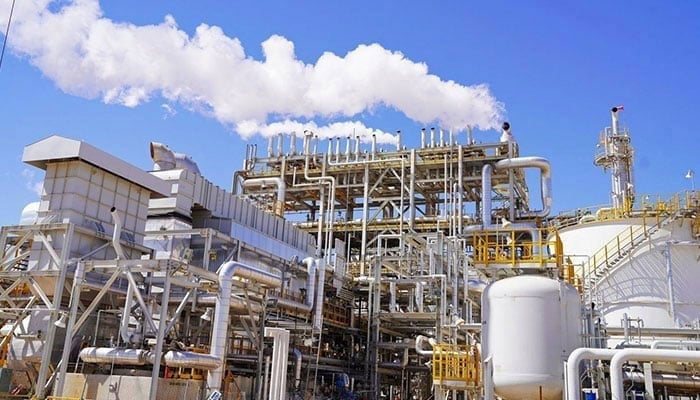
ISLAMABAD: The petroleum authorities have proposed key amendments to the Brownfield Refinery Policy 2023 in a last-ditch effort to revive a stalled $6 billion refinery upgrade plan, with the revised framework set to be presented to the visiting delegation of International Monetary Fund (IMF), top official sources in Petroleum Division told this scribe.
“The multi-billion-dollar upgradation project — aimed at modernising domestic refineries to produce Euro-V compliant fuels — has remained frozen since the Finance Bill for FY25 exempted major petroleum products from sales tax. The exemption, covering petrol, diesel, kerosene and light diesel oil (LDO), inadvertently disqualified refineries from claiming input tax adjustments, severely undermining the financial viability of planned investments.”
Under the proposed changes, the top sources said, the Petroleum Division had recommended restoration of sales tax holidays on imported refinery machinery, plants and spare parts, similar to incentives available under the Greenfield policy. Officials will also seek IMF approval to lock in the Rs1.87 per litre Inland Freight Equalisation Margin (IFEM) as a guaranteed margin for six to seven years, along with the introduction of a stability clause to ensure long-term policy predictability.
Another significant adjustment concerns the incentive mechanism. Previously, refineries were required to deposit incentive amounts into escrow accounts regulated by the Oil and Gas Regulatory Authority (Ogra). Under the revised proposal, funds would instead be pooled collectively, allowing each refinery to withdraw up to 27.5 per cent of its deposited share as needed for executing its respective upgrade project.
A senior refinery executive said the prolonged delay had already inflicted heavy economic costs. “Had the Brownfield policy been implemented in 2020, the upgrade would have been completed by 2025, generating at least $2 billion in benefits,” he said. “Now, if the project begins in 2026, the country could incur $10-11 billion in cumulative losses over the next five years due to continued imports of higher-grade fuels.”
Meanwhile, the Oil Companies Advisory Council (OCAC) has warned that prolonged indecision could result in at least $5 billion in foreign exchange losses. OCAC Chairman Adil Khattak said continued delays were eroding investor confidence and escalating opportunity costs for the sector.