WASHINGTON: The United States sees evidence that Iran is trying to rebuild its nuclear programme after US-led strikes against Iranian nuclear sites in June, Vice President JD Vance said on Wednesday.
Senior Trump administration officials made the case that Iran poses a major threat to the United States ahead of Thursday negotiations over Tehran’s nuclear programme.
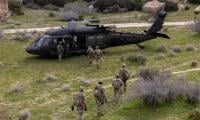
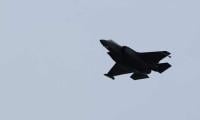
US and Iranian negotiators are due to meet in Geneva on Thursday, the third round of nuclear talks this year, as the US has built up one of its biggest military deployments in the Middle East ahead of possible strikes on the Islamic Republic.
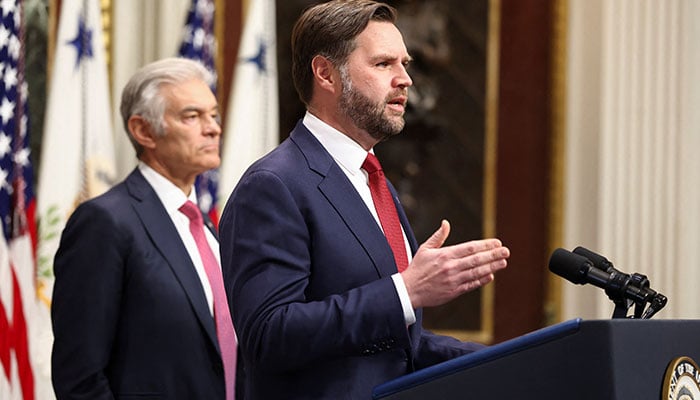
“The principle is very simple: Iran cannot have a nuclear weapon,” Vance told reporters, a day ahead of talks in Geneva between US and Iranian delegations.
Vance said US envoys Steve Witkoff and Jared Kushner will be meeting an Iranian delegation in Geneva on Thursday to assess whether an agreement can be reached, with a massive US military presence in the region.
Rubio says Iran trying to rebuild nuclear programme
Speaking to reporters during a trip to St Kitts and Nevis, Rubio echoed Trump’s comments.
“After their nuclear programme was obliterated, they were told not to try to restart it, and here they are,” Rubio said. “You can see them always trying to rebuild elements of it. They’re not enriching right now, but they’re trying to get to the point where they ultimately can.”
Trump ordered strikes on Iran last year, claiming in July that they had “obliterated” the country’s nuclear facilities. His aides have claimed more recently that Iran is very close to having the ability to make nuclear bombs.
Rubio said Iran also possessed a very large number of ballistic missiles that threaten US interests in the region and that it was trying to develop weapons that can reach the continental United States.
“Beyond just the nuclear programme, they possess these conventional weapons that are solely designed to attack America and attack Americans if they so choose to do so...They already possess weapons that can reach much of Europe already now, as we speak,” Rubio said.
Tehran’s insistence on not discussing the topic of ballistic missiles in the Geneva talks was a “big problem”, Rubio said, adding that he did not want to characterise the Thursday talks anything other than “the next opportunity to talk” even as he hoped for progress. “Hopefully they’re productive but eventually we’ll have to have conversations more than just the nuclear programme.”
Iran has the largest stockpile of ballistic missiles in the Middle East, according to the US Office of the Director of National Intelligence.
Iranian missiles have a self-imposed range of 2,000 km (1,240 miles), which officials in the past said was enough to protect the country since it covers the distance to Israel.
US President Donald Trump has said repeatedly that the strikes in June destroyed Iran’s nuclear sites and that he will not allow Tehran to reconstitute the programme.
On Tuesday, Trump faulted the government in Tehran for the deaths of thousands of protesters during recent anti-government demonstrations, although the specific figure he cited – that 32,000 people had been killed – is much higher than most public estimates.
Iranian Foreign Minister Abbas Araqchi met mediator Badr al-Busaidi, Oman’s foreign minister, following his arrival in Geneva on Wednesday ahead of Thursday’s talks, Iran’s Press TV reported.
Araqchi raised with his Omani counterpart “Iran’s points and considerations regarding the nuclear issue and the lifting of the US’ illegal and unilateral sanctions,” the report said.