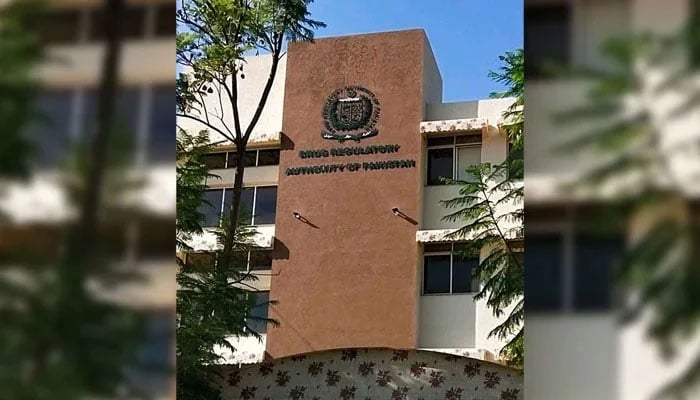
ISLAMABAD: The Drug Regulatory Authority of Pakistan (Drap) has started implementing the Pharmaceutical Inspection Co-operation Scheme (PIC/S) guidelines for Good Manufacturing Practices (GMP) in the pharmaceutical industry, following a notification for a phase-wise implementation plan approved by the Central Licensing Board (CLB), officials said on Wednesday.
The move stems from SRO 1587(I)/2025 issued in August last year, under which Drap formally adopted PIC/S GMP Guidelines as the reference standard for regulatory inspections of pharmaceutical manufacturers in Pakistan. After a six-month transition period and consultations with industry stakeholders, the CLB has now approved the phased implementation framework.
According to a circular issued by Drap’s Division of Drug Licensing, the first phase of implementation came into force on February 25, with Chapter 4 of the PIC/S GMP Guide, which deals with documentation requirements, becoming applicable to pharmaceutical manufacturers. Certain technical components, including the Site Master File and Technical Agreements, will be enforced from June 1, 2026, as part of the phased rollout.
A senior Drap official said the development reflects a shift towards internationally recognised regulatory benchmarks. “The adoption and phased implementation of PIC/S GMP standards is a major regulatory step. It signals Pakistan’s intent to bring its pharmaceutical manufacturing oversight in line with globally accepted practices, which is important for patient safety as well as regulatory credibility,” the official said.
PIC/S is an international cooperation arrangement among medicines regulatory authorities aimed at harmonising GMP standards and inspection procedures. Its guidelines are widely used by regulators in Europe, Asia and other regions to ensure the quality, safety and consistency of medicinal products. While Pakistan is not yet a full member of PIC/S, the adoption of its GMP framework is viewed by the regulator and industry as a move towards closer international regulatory convergence.
The Drap notification states that in order to ensure regulatory continuity during the transition from the existing GMP framework under the Drugs (Licensing, Registering and Advertising) Rules, 1976, the CLB has also approved a compliance framework for new pharmaceutical units and manufacturers licensed for formulation. This framework covers requirements for factory premises, plant and equipment, production and quality control facilities, hygiene and sanitation, and manufacturing records. Other chapters of the PIC/S GMP Guide have been temporarily exempted and will be introduced in later phases.
Officials said the phased approach was adopted to allow manufacturers time to align their systems and documentation with the new standards without disrupting medicine production and supply. The implementation plan was discussed with industry stakeholders and placed before the CLB in its 314th meeting held on February 23, where it was approved.
The Drap leadership has acknowledged the role of industry representatives in the consultation process, with officials noting that input from the Pakistan Pharmaceutical Manufacturers’ Association (PPMA) and technical experts helped shape the transition framework.
Regulatory and public health experts say stronger documentation and quality management requirements are expected to improve traceability, manufacturing controls and regulatory oversight, which could help reduce the risk of substandard or poor-quality medicines in the market over time.
Improved alignment with internationally recognised GMP standards may also strengthen confidence among foreign regulators and international procurement agencies in Pakistan’s regulatory system.
For pharmaceutical exporters, compliance with PIC/S-aligned GMP requirements is often a prerequisite for accessing regulated markets, particularly in parts of Europe and Asia. Industry sources say the effectiveness of the reform will depend on consistent enforcement, inspector capacity and sustained engagement with manufacturers.
In its circular, Drap has directed all pharmaceutical manufacturers to comply with the newly notified implementation framework, stating that future inspections and licensing decisions will be guided by the PIC/S-aligned GMP standards as they are rolled out in phases. Further chapters of the PIC/S GMP Guide are expected to be introduced after a review of industry preparedness and regulatory capacity.