Japan is a country where landscape and legend blend seamlessly, where nature is not merely admired but deeply revered. Across its islands, beauty takes many forms-ancient capitals wrapped in cherry blossoms, sacred waterfalls hidden in forested mountains, villages frozen in time, and tropical shores washed by turquoise seas. Each destination carries its own character, shaped by history, geography, and tradition. Here are ten beautiful places in Japan, each described separately, that truly feel like scenes from a fairy tale.
1. Kyoto
Kyoto stands as the cultural and spiritual heart of Japan. Once the imperial capital for over a thousand years, it is home to more than a thousand temples, shrines, and traditional wooden townhouses. The city is especially magical in spring, when cherry blossoms bloom across Maruyama Park and along the Philosopher’s Path, casting a soft pink hue over historic streets. The Arashiyama Bamboo Forest offers a surreal experience, with tall green stalks swaying gently overhead. Landmarks such as Kiyomizu-dera Temple provide panoramic views of the city, blending architecture and nature in perfect harmony.
2. Mount Fuji and Lake Kawaguchi
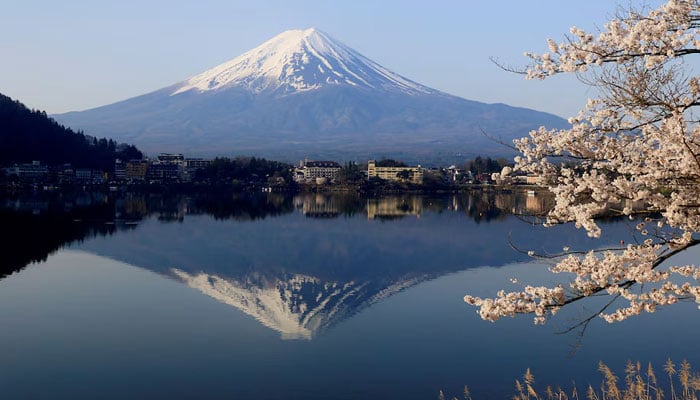
Mount Fuji is Japan’s most iconic natural landmark, rising gracefully with its snow-capped peak visible from miles away. Its near-perfect symmetry has inspired generations of artists and pilgrims. Lake Kawaguchi, one of the Fuji Five Lakes, offers one of the best vantage points to admire the mountain’s reflection shimmering on still waters. Oishi Park frames Fuji with seasonal flowers, while the Kachi Kachi ropeway reveals sweeping views of the surrounding lakes and forests. The region’s hot spring baths allow visitors to relax while gazing at this majestic symbol of Japan.
3. Itsukushima Shrine
Located on Miyajima Island, Itsukushima Shrine is famed for its striking vermilion torii gate that appears to float on the sea during high tide. Built on stilts above the Seto Inland Sea, the shrine creates a powerful visual contrast between vivid red architecture and deep blue waters. Wooden corridors, stone lanterns, and centuries-old beams give the site a timeless serenity. At sunset, when the gate glows against the horizon, the shrine becomes one of Japan’s most unforgettable sights.
4. Hokkaido
Japan’s northernmost island, Hokkaido, is celebrated for its vast and untamed landscapes. In summer, Furano’s lavender fields stretch in brilliant purple rows beneath wide skies, while Biei’s rolling hills add pastoral charm. Daisetsuzan National Park showcases rugged mountains and alpine scenery. In autumn, forests burst into fiery reds and oranges. Winter transforms the region into a snow-covered wonderland, with Niseko renowned worldwide for its powdery ski slopes. Hokkaido’s beauty lies in its scale, freshness, and dramatic seasonal contrasts.
5. Shirakawa-go
Nestled in the Hida Mountains, Shirakawa-go is a UNESCO World Heritage village known for its traditional gassho-zukuri farmhouses. These steep, thatched-roof homes are designed to withstand heavy snowfall and resemble hands pressed together in prayer. The village feels like a preserved chapter of rural Japan, especially enchanting in winter when snow blankets the rooftops and warm lights glow from within. From Shiroyama Viewpoint, visitors can admire panoramic views of the village set against a mountainous backdrop.
6. Kenrokuen Garden
Kenrokuen in Kanazawa is considered one of Japan’s three great gardens and represents refined landscape artistry. Designed to offer beauty in every season, the garden transforms throughout the year. Spring welcomes cherry blossoms and azaleas; summer highlights irises and lotus flowers; autumn dazzles with red maple leaves; and winter features pine trees supported by traditional snow ropes. Its ponds, stone bridges, teahouses, and lanterns are carefully arranged to create balance and tranquility.
7. Nachi Falls
Nachi Falls, the tallest single-drop waterfall in Japan, plunges dramatically from a forested cliff in Wakayama Prefecture. The waterfall forms part of the sacred Kumano Nachi Taisha shrine complex, an important site along the ancient Kumano Kodo pilgrimage route. The sight of the vermilion pagoda standing before the cascading white water is both powerful and spiritual. Surrounded by dense greenery, Nachi Falls symbolizes the deep connection between Japanese faith and nature.
8. Ishigaki Island
Part of Okinawa Prefecture, Ishigaki Island offers a tropical contrast to Japan’s mountainous interior. Its crystal-clear waters and coral reefs attract snorkelers and divers from around the world. Kabira Bay is famous for its emerald waters and scenic beauty, while Yonehara Beach provides vibrant marine life just offshore. Inland, Mount Omoto’s forest trails and hidden waterfalls add an adventurous touch. Sunset views over the East China Sea complete the island’s serene atmosphere.
9. Takachiho Gorge
Takachiho Gorge, carved by the Gokase River in Miyazaki Prefecture, features towering basalt cliffs draped in greenery. Visitors can row beneath the graceful Manai Falls or walk along trails overlooking the gorge. The area is deeply rooted in Japanese mythology, believed to be connected to the legend of the Sun Goddess Amaterasu. The combination of dramatic rock formations, misty waterfalls, and spiritual folklore gives Takachiho a mystical charm.
10. Mount Aso
Located on the island of Kyushu, Mount Aso is one of the largest volcanic calderas in the world. Its vast grasslands and rugged peaks create sweeping landscapes that feel both powerful and serene. At the active crater, sulfuric smoke rises from turquoise waters, reminding visitors of the earth’s raw energy. The scenery is expansive and dramatic, offering a sense of awe that lingers long after the visit.