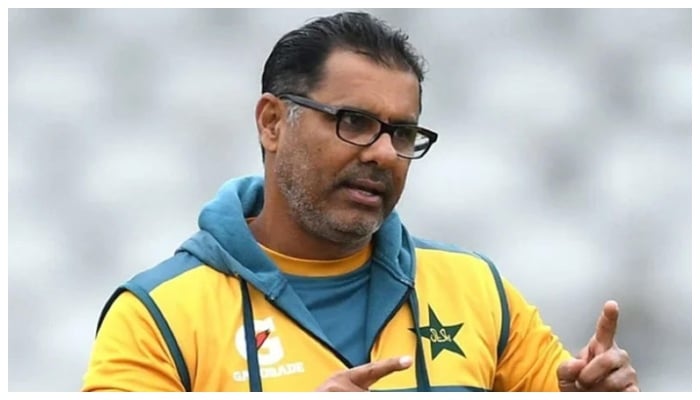
LAHORE: Following Pakistan’s heavy 61-run loss to India in the T20 World Cup 2026 clash in Colombo, pace legend Waqar Younis offered a candid analysis of where the team faltered. His remarks underline recurring weaknesses in Pakistan’s approach to high-pressure matches.
Waqar argued that the game was effectively lost once India posted 175/7. He stressed that Pakistan’s current batting line-up lacks the depth and confidence to chase totals above 160. “Pakistan lost the game in the first innings. Once India reached 175, the game was out of Pakistan’s reach. We always knew Pakistan’s batting is not great. If India had scored 140 or 150, things might have been different.”
This highlights Pakistan’s fragile batting order, which struggles to sustain momentum in high chases. Waqar criticised skipper Salman Ali Agha for delaying the use of mystery spinner Usman Tariq, who eventually bowled economically (1/24). By the time Tariq was introduced, Ishan Kishan (77) had already inflicted significant damage. Waqar suggested that Pakistan missed an opportunity to apply pressure earlier by holding back their most effective bowler.
In contrast, Waqar praised Indian captain Suryakumar Yadav for proactive leadership. Giving the new ball to Hardik Pandya (2/16) and rotating Jasprit Bumrah (2/17) and Axar Patel (2/29) at crucial stages stifled Pakistan’s chase. India’s tactical clarity stood out against Pakistan’s reactive approach.
Waqar’s comments reflect broader issues like lack of aggressive intent in middle overs. Pakistan’s batting often slows down after the powerplay, leaving too much for the lower order. He also pointed out the fragility of batting order. Beyond Usman Khan’s 44, there was little resistance, exposing over-reliance on individual performances.
He also saw the leadership clearly under pressure. Tactical decisions, such as bowling changes, continue to lag behind opponents. India with 3 wins (6 points) – Qualified for Super 8s while USA has 2 wins, 2 losses (4 points) and Pakistan with 2 wins, 1 loss (4 points) – and they must beat Namibia on February 19 to advance.
Waqar said the defeat is not limited to one bad day. “The defeat to India exposed a mental block against big totals, tactical indecision, and a brittle batting lineup. With a must-win clash against Namibia looming, Pakistan must urgently address these shortcomings to keep their Super Eight hopes alive,” he said.