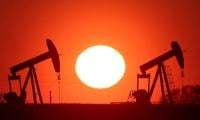
ISLAMABAD: Petroleum prices are expected to rise by Rs6.55 per litre from tomorrow (February 16) for the next fortnight, primarily due to heightened geopolitical tensions in the Middle East, particularly between Iran and the United States.
Officials, however, insist there is no global supply-demand crisis and that anticipated increase is largely driven by volatility in international oil markets.
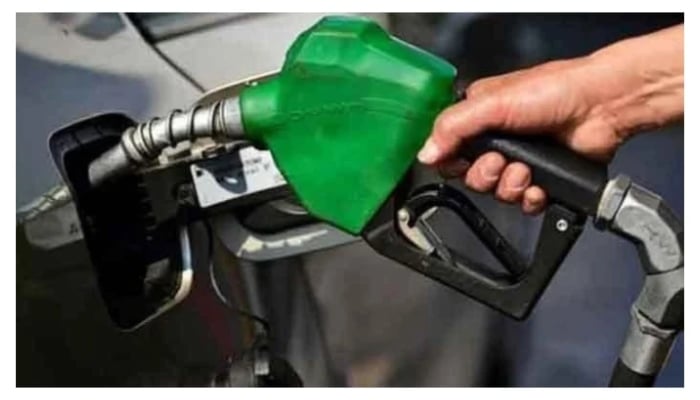
According to working estimates prepared by relevant authorities, price of petrol (Mogas) is projected to increase by Rs4.39 per litre, taking it from Rs253.17 to Rs257.56. High-Speed Diesel (HSD) is likely to rise by Rs5.40 per litre, pushing its price from Rs268.38 to Rs273.78 per litre.
Kerosene oil may increase by Rs4 to Rs179.80 per litre from Rs175.80, while Light Diesel Oil (LDO) is expected to see the highest hike of Rs6.55 per litre, reaching Rs160.96 compared to current Rs154.41.
International petroleum product prices have experienced sharp fluctuations in recent weeks amid escalating tensions involving Iran and strategically important Strait of Hormuz. Market analysts note although global oil supply remains stable due to surplus production, geopolitical uncertainty has injected volatility into pricing trends at Middle Eastern trading hubs that influence Pakistan’s import parity calculations.
In addition to international price movements, consumers continue to bear substantial taxes and levies embedded in retail price. Government is currently charging a petroleum levy (PL) of Rs84.25 per litre on petrol and High Octane Blending Component (HOBC), while levy on HSD stands at Rs76.21 per litre. Kerosene and LDO carry lower PL rates of Rs20.36 and Rs15.84 per litre, respectively.
The final decision on the revised prices will be announced by government after reviewing the summary prepared by the Oil and Gas Regulatory Authority (Ogra).