COLOMBO: Who has truly gained and who has conceded ground in the dramatic Pakistan-India boycott saga that briefly cast a dark shadow over the ICC World Cup T20 2026? That is the question echoing across press boxes, hotel lobbies and cricketing corridors from Colombo to Islamabad and Mumbai.
What began as a tense standoff, Pakistan’s refusal to play India threatened to derail the tournament before it had properly begun. Yet, just weeks later, the deadlock dissolved almost as suddenly as it had emerged. The World Cup was back on track. The silence that followed was even more intriguing than the storm of statements that preceded it.
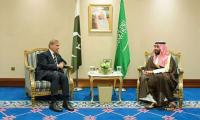
Here in Colombo, speculation is rife that a behind-the-scenes understanding has been reached among the principal stakeholders, the Pakistan Cricket Board (PCB), the Board of Control for Cricket in India (BCCI), the Bangladesh Cricket Board (BCB), and, most crucially, the International Cricket Council (ICC). Whether quiet diplomatic channels or influential third parties played a role in cooling tempers remains anyone’s guess. What is undeniable is that the rhetoric has vanished. The war of words has been replaced by strategic calm.
The biggest mystery surrounds Bangladesh’s sudden shift. Why did the BCB, after expressing strong reservations and facing the embarrassment of being sidelined from the tournament structure, request Pakistan to honour the scheduled February 15 clash against India at the R. Premadasa Stadium? What assurances did the ICC offer? And why has the usually vocal BCCI maintained an unusual silence?
In previous flashpoints, most notably the Champions Trophy controversy, the BCCI was quick to claim diplomatic victory, asserting that it had compelled Pakistan to accept neutral venues and altered conditions. This time, however, there are no triumphant declarations. No victory laps. The quiet suggests that the agreement may contain clauses that are best left undisclosed, perhaps terms that would complicate any public chest-thumping.
For Bangladesh, it is difficult to believe that acquiescence came without compensation. Cricket diplomacy rarely functions without incentives. Could it be a high-profile tri-series in the UAE featuring India, Pakistan and Bangladesh later this year? Or perhaps the promise of hosting a future ICC mega-event? Financial reassurances? Structural guarantees? Whatever the arrangement, it appears sufficient to have convinced Dhaka to step aside from the 2026 equation while keeping its long-term interests secure.
If there is one stakeholder that appears to have navigated the turbulence with calculated poise, it is Pakistan. PCB Chairman Mohsin Naqvi played a high-stakes game and, by most accounts, played it shrewdly.
At one level, Pakistan succeeded in compelling the game’s most powerful forces to return to the negotiating table, reinforcing its status as a pivotal cricketing nation. At another, the episode underscored a reality often whispered but seldom acknowledged openly: India may be the financial powerhouse of global cricket, but the ICC’s commercial model does not thrive on one market alone. Pakistan’s presence and the spectacle of a Pakistan-India encounter remains indispensable to the global product.
Equally significant was the perception battle. By standing alongside Bangladesh during the initial impasse and resisting financial or political pressure, the PCB earned goodwill among Bangladeshi fans and cricket followers across the region. Pakistan projected itself not merely as a participant protecting its own interests, but as a stakeholder advocating for competitive fairness.
When the BCB eventually requested Pakistan to proceed with the February 15 fixture, Islamabad did so but from a position of dignity rather than concession. In the final reckoning, while the precise details of the settlement remain locked behind closed doors, one conclusion is clear: the PCB has emerged from the episode with enhanced leverage and strengthened stature. What once threatened to rob the 2026 T20 World Cup of its shine has instead added a layer of intrigue and drama, a reminder that in modern cricket, power is negotiated not only on the field but across boardroom tables.
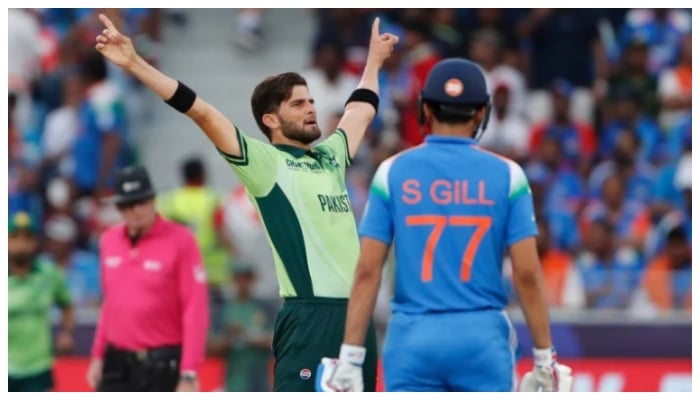
As the arch-rivals prepare to face off under the lights in Colombo, the cricketing world will watch not just for runs and wickets but for the subtext of a saga that has already reshaped the tournament’s narrative. For now, the bat will do the talking. But the politics behind it has already left their mark.