KARACHI: The Institute of Cost and Management Accountants of Pakistan (ICMA) has released its FY2026 economic forecast, which shows that Pakistan is poised for strong growth in exports and tax revenue, while rising imports and domestic debt present urgent challenges for policymakers, a statement said on Saturday.
For FY2026, the ICMA projects that Pakistan will most probably achieve real GDP growth of 3.5 per cent, building on Q1 (July-September) growth of 3.71 per cent year-on-year (YoY), more than doubling from the same period last year. This projection is higher than the IMF’s FY26 GDP forecast of 3.09 per cent, reflecting the ICMA’s independent assessment of Pakistan’s stronger economic momentum in FY26.
Net FDI is expected to grow 4.0 per cent to $2.6 billion, despite July-November FY26 inflows of $0.9 billion, highlighting gradual improvement amid investor caution and ongoing macroeconomic pressures. Exports and FBR tax revenues are set to continue rising, reflecting sustained momentum, while imports, supply-side inflation, and domestic debt remain pressing challenges that require decisive policy action.
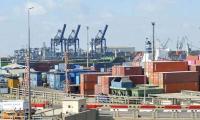
The ICMA observes that while exports and tax revenues are expected to rise in FY26, Pakistan will continue to face mounting economic pressures. Imports may climb to $65.9 billion, pushing the trade deficit above $30 billion, and the current account is projected to return to a 0.36 per cent of GDP deficit. Supply-side inflation is expected at 6.0 per cent, the policy rate near 10 per cent, domestic debt at Rs60,312.3 billion, and total debt and liabilities reaching Rs96,800 billion, reflecting ongoing borrowing to meet fiscal obligations.
The ICMA recommends decisive measures to turn economic challenges into opportunities, combining immediate policy steps with long-term structural reforms to stabilize the economy and promote inclusive growth. In the short term, these include reducing the policy rate to stimulate private investment, applying targeted tariff adjustments, promoting domestic manufacturing, enhancing customs efficiency, and facilitating exporters through a Prime Minister’s Export Facilitation Cell. Strengthening high-growth sectors such as IT, pharmaceuticals and engineering goods; fast-tracking trade agreements; allowing exporters to retain foreign earnings; and leveraging remittances are also vital to balance the current account.
Long-term structural reforms focus on adopting a flexible exchange rate, implementing flood-resilient agriculture programs, containing domestic debt through disciplined fiscal management and long-term borrowing, restructuring loss-making state-owned enterprises and broadening the tax base without raising rates.