Americans suffer in large part because we don’t know our government‘s history, because we don’t care about that history. We root for our teams and we don’t notice or care until it’s too late.
What we are watching play out today is an upshot of the fathomless ignorance and apathy of Americans who treat politics as professional sports or fake wrestling. Don Lemon’s case represents something close to the opposite of its portrayal in the corporate media. Rather than breaking with some pristine history of free speech and press freedom in our country, this moment represents our embarrassing history of noticing persistent constitutional violations only when they touch some celebrity.
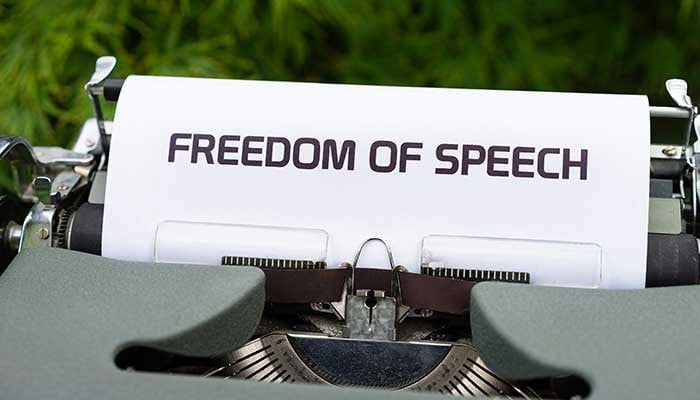
The truth is much more difficult to face: the United States government, under virtually every president we’ve had, has treated the First Amendment with contempt, consistently attacking the speech and assembly rights of Americans who speak out against the crimes and abuses of the Washington ruling class. The federal government’s hatred of the freedom of speech rights of citizens is indeed among the most clear and powerful testimonies of our country’s history. It’s difficult to know where to start. This hatred and the government’s attacks on speech could fill volumes, and they have.
The Civil War saw the US government arresting newspaper editors without warrants, seizing their assets unlawfully, and closing their papers’ operations. Decades later, during the first red scare, the DOJ’s Palmer raids led to brutal attack and the mass arrests and deportations of radicals like Emma Goldman, who called it 'deportation mania' at the time:
I was besieged by requests for lectures. The federal deportation mania was terrorizing the foreign workers of the country, and there were many calls upon me to speak on the matter and enlighten the people on the subject.
Their presses, too, were attacked and destroyed, their words criminalized. And incarceration linked to speech or reporting is not at all rare in a long historical view of our society. Charles Schenck was a socialist and a peace activist who opposed the US government’s involvement in World War I. He and his friends passed out leaflets arguing that the draft violated the constitution’s prohibition against cruel and unusual punishment, and encouraging peaceful civil disobedience. He was charged for conspiring to violate the Espionage Act by disrupting the war effort (as well as with other charges related to the use of the mail system for unlawful purposes). In a unanimous decision, the Supreme Court held that this use of the Espionage Act was consistent with the First Amendment’s protections, upholding Schenck’s conviction.
While the opinion was later overturned, it represents one of so many dark episodes for free speech in American history, so many times when the war and emergency were used to justify trashing the country’s highest law. The constitution and the Bill of Rights have often been merely symbolic in our history, honored in the breach.
It was in this case that the court set out the infamous clear and present danger standard, which stated that otherwise protected speech could be outlawed if it gave rise to a clear and present danger of “substantive evils that Congress has a right to prevent”.
This article is excerpted from: ‘The Government’s Long War on Free Speech’. Courtesy: Counterpunch.org