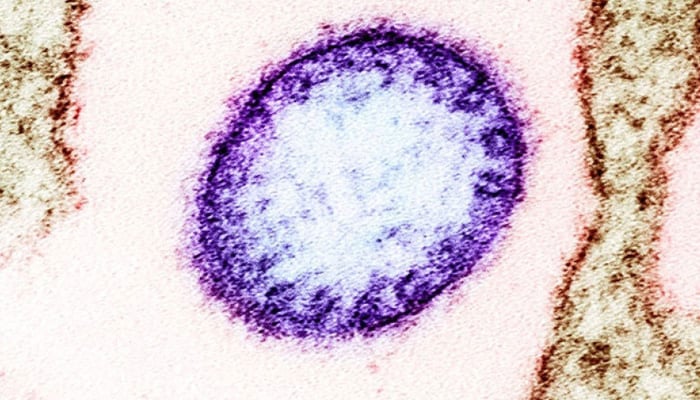
Rawalpindi : The Technical Wing of Specialised Healthcare and Medical Education Department of the Government of the Punjab has issued a Nipah virus alert/advisory for all the vice chancellors of public sector medical universities in Punjab, principals, deans, head of institutes of public sector medical colleges and specialized medical institutes in Punjab and medical superintendents of all public sector teaching hospitals in the Punjab province.
The SHC&ME Department issued the ‘alerts on Nipah virus outbreak in West Bengal region, India’ through E-mail terming the matter as top priority on Friday evening. The SHC&ME Department has directed the universities, institutes, colleges and teaching hospitals to maintain and regularly report the data of suspected/confirmed Nipah virus cases attending OPD, emergency or admitted in indoor departments to the competent authority.
The SHC&ME Department has enclosed the advisory issued by the chief, Centre for Disease Control, National Institute of Health Islamabad with the letter asking the institutes and hospitals to take necessary action.
The advisory states that Nipah virus (NiV) is a highly pathogenic zoonotic virus that causes severe illness and fatal encephalitis. While Pakistan has not yet reported a human case, a significant situation is emerging in South Asia. As of January 2026, an outbreak has been confirmed in West Bengal, India where at least five confirmed cases have been reported including healthcare workers in Kolkata.
The advisory adds that due to its high case fatality rate ranging from 40% to 75% and the potential for human-to-human transmission, health authorities are placing the region on high alert. The primary objective of the advisory issued is to alert health departments, healthcare providers and border health services regarding the potential threat of Nipah virus spillover into Pakistan.
The advisory aims to enhance surveillance, standardize response, risk mitigation and institutional readiness, saying the Nipah virus is listed on the WHO R&D Blueprint as a priority disease with epidemic potential.
The advisory states that the initial symptoms of Nipah virus disease include fever, headache, myalgia (muscle pain), sore throat and vomiting. This can progress to severe encephalitis (brain inflammation) characterized by dizziness, drowsiness, altered consciousness, and seizures leading to coma within 24 to 48 hours.