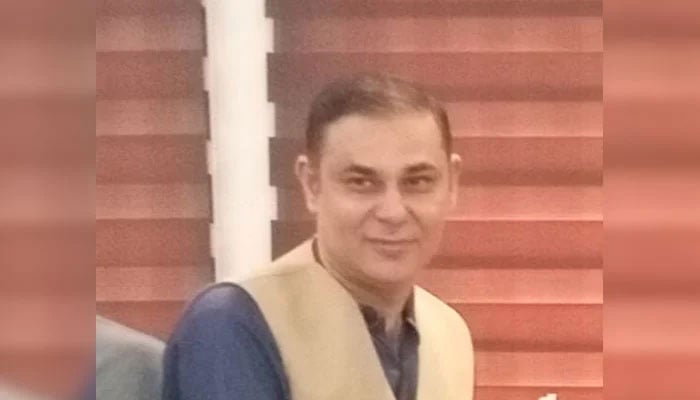
KARACHI: President of the SITE Association of Industry (SAI) Ahmed Azeem Alvi has expressed serious concern over the continued burden of cross-subsidy imposed on industrial electricity tariffs, saying the policy is weakening industrial viability and discouraging scale, investment and formal growth.
In a statement on Wednesday, he said industrial tariffs are currently carrying a cross-subsidy of Rs4.5 to Rs7 per unit, adding nearly 20 per cent to electricity costs that are already uncompetitive. Industry, he added, is barely able to absorb its existing cost structure, with the additional burden pushing many units to the brink.
Alvi pointed out that while Pakistan has a large number of small industrial units, it has failed to establish and retain large-scale industry, largely because of distorted energy pricing. Policies that penalise consumption and expansion, he said, inevitably prevent industries from growing in size and efficiency.
He further noted that the number of protected consumers has increased sharply in recent years, yet instead of supporting them through fiscal measures, the government is using industry as a balancing tool. This approach, he said, is neither sustainable nor fair, particularly when industry already pays in full and on time.
Commenting on the Incremental Consumption Package, Alvi said the scheme is fundamentally flawed and internally inconsistent. Industries that recorded higher electricity consumption during the reference period from December 2023 to November 2024 have been rendered ineligible, despite representing stable and genuine demand.
The SAI president said the load factors applied under the package have no regulatory or technical basis for creating incremental demand and appear to have been drawn from theft-detection billing frameworks designed for enforcement rather than incentives. This anomaly, he added, has diluted the purpose of the package.
“As designed, the package will not increase demand,” he warned. “It will only shift demand within industry, creating artificial winners and losers and further distorting consumption patterns.”
Alvi also questioned repeated claims by the power ministry regarding improved sector performance, saying that if genuine progress had been made, a competitive industrial tariff of around nine cents per unit should already have been achieved. The absence of such a tariff, he said, highlights the gap between official claims and ground realities.
He urged the government to immediately remove cross-subsidies from industrial electricity tariffs, withdraw the incremental package in its current form, and redesign incentives on transparent and rational principles.
He concluded that industrial revival, export growth and job creation cannot be achieved by penalising consumption and rewarding inefficiency, warning that without correcting these structural distortions, policy announcements will continue to fall short of delivering real economic outcomes.