LAHORE: The economy has shown periodic signs of resilience. Stabilisation programmes have averted default, foreign exchange reserves have stopped haemorrhaging, and growth has flickered back after repeated shocks because its rankings evaluated on various issues are dismally low.
Taken together, these rankings tell a coherent story. Pakistan’s economic problem is not merely cyclical or fiscal; it is structural and institutional. Short-term stabilisation can improve reserves and calm markets, but it cannot substitute for reforms that improve governance, inclusion, competitiveness and human capital.
Beneath periodic short-term improvements lies a deeper, uncomfortable truth: economic progress in Pakistan will remain fragile and reversible unless the country improves its standing on key global governance and competitiveness rankings. These rankings are not abstract scorecards designed for foreign audiences; they are mirrors reflecting the everyday realities faced by citizens, investors, exporters and workers.
Pakistan does not need cosmetic reforms aimed at pleasing donors or investors for a quarter or two. It needs deep, politically difficult changes that improve how the state functions, how women participate in the economy, how businesses operate, how goods move and how talent is nurtured. Until Pakistan climbs meaningfully on these global rankings, its economic progress will remain vulnerable -- always one shock away from reversal. Sustainable growth is not built on temporary relief; it is built on institutions that work.
Consider Transparency International’s Corruption Perceptions Index (CPI), where Pakistan ranks near the bottom globally. Corruption is not merely a moral failing; it is an economic tax. It raises the cost of doing business, discourages formalisation, distorts public spending and erodes trust in the state. The disadvantage lies in absence of stronger enforcement, greater predictability.
Pakistan’s low ranking signals uncertainty, arbitrariness and rent-seeking, all of which deter long-term investment. Without improving transparency and accountability, growth will continue to rely on debt and consumption rather than productivity.
In the World Economic Forum’s Global Gender Gap Index, Pakistan ranks at or near the bottom worldwide. This is not a ‘social issue’ separate from economics; it is a fundamental growth constraint. By excluding or marginalising women from economic participation, Pakistan voluntarily shrinks its labour force, depresses household incomes and limits human capital development.
The now-discontinued World Bank Ease of Doing Business index, despite its flaws, still offers historical insight. Pakistan lagged far behind India and China in regulatory efficiency, contract enforcement and access to utilities. These are not cosmetic issues. They shape whether firms choose to expand, remain informal or relocate altogether. Ease of doing business is ultimately about whether entrepreneurs spend their time innovating—or navigating red tape.
Similarly revealing is the Heritage Foundation’s Index of Economic Freedom, where Pakistan remains in the lower tier. Weak property rights, excessive regulation, inconsistent taxation and a dominant state footprint constrain private initiative. Economic freedom does not mean absence of regulation; it means predictable, fair and efficient rules. India and Bangladesh, though far from ideal, have gradually improved market openness and regulatory clarity. Pakistan offers neither consistency nor efficiency at scale.
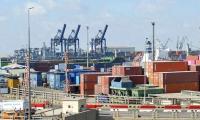
Perhaps the most damaging signal for a trading nation is Pakistan’s weak showing in the World Bank’s Logistics Performance Index (LPI). Efficient logistics are the backbone of modern exports. India now ranks among the top performers globally, benefiting from port upgrades, digital customs and supply chain integration. Bangladesh has climbed steadily by focusing on trade facilitation. Pakistan’s exclusion from the latest index is itself telling: it reflects gaps in data, performance and institutional readiness. Poor logistics mean higher costs, missed delivery deadlines and loss of competitiveness -- fatal in global markets where margins are thin.
Equally worrying is Pakistan’s position in the Global Talent Competitiveness Index. The modern economy is driven by skills, innovation and adaptability. Countries that attract, develop and retain talent move up the value chain. Pakistan, by contrast, struggles with brain drain, underinvestment in education and weak industry-academia linkages. Growth without talent development is unsustainable; it produces short bursts of activity, not enduring productivity gains.