KABUL: Afghanistan’s trade remained resilient in 2025 despite repeated closures of key border crossings with Pakistan, commerce ministry data showed, as exporters and importers increasingly relied on alternative routes through Iran and Central Asia.
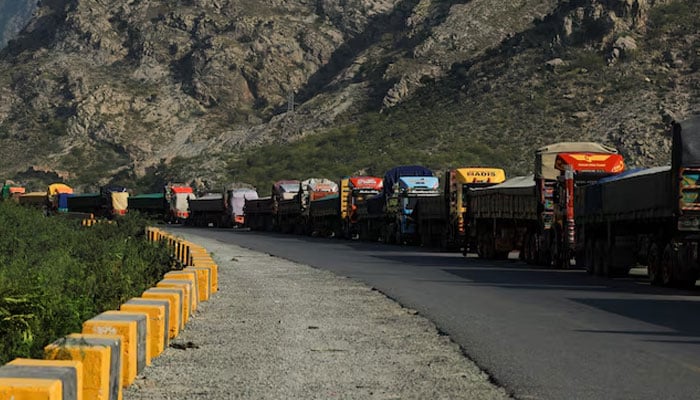
The stability came even as tensions with Islamabad disrupted established transit corridors that have been landlocked Afghanistan’s main gateway to seaports for decades.
Traders instead moved cargo through Iran’s Chabahar port and expanded their overland shipments via Uzbekistan, Turkmenistan and Tajikistan, cushioning the impact of delays and political uncertainty.
Total trade -- the value of exports and imports combined -- rose from the previous year to nearly $13.9 billion in 2025, according to the commerce ministry. Exports stood at roughly $1.8 billion, broadly steady year on year, while imports increased to just over $12.1 billion.
India, Pakistan and several Central Asian states remained among Afghanistan’s largest export destinations with shipments dominated by dried fruit, coal, carpets, saffron and agricultural produce.
Imports continued to be led by fuel, machinery, food staples and industrial inputs, mainly from Iran, the United Arab Emirates, China and regional neighbours. Afghanistan is accelerating efforts to reduce its reliance on Pakistan in the wake of border closures linked to security disputes. While Pakistan remains its fastest route to the sea, Afghan officials say diversifying its trade corridors has enabled commerce to continue even while relations with its eastern neighbour remain strained.