The progress in managing population growth should be sustained through the continued devolution of the subject of population welfare to the provinces, relevant senior officials of the Sindh government said on Tuesday.
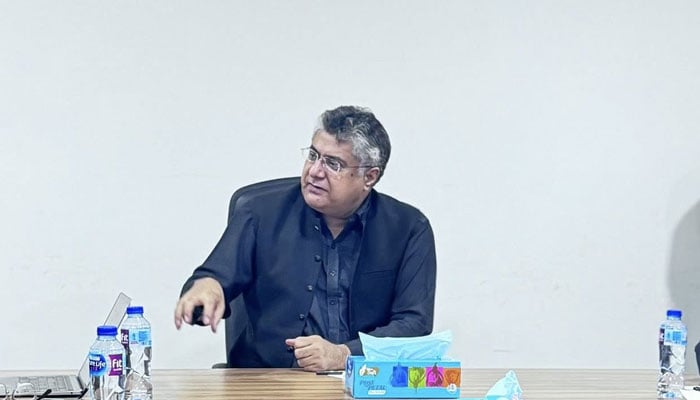
The remarks were made during a workshop organised by the Sindh population welfare department in collaboration with the United Nations Population Fund (UNFPA), where the participants were briefed on provincial initiatives, outcomes and ongoing challenges related to population management.
Senior officials informed the workshop that since the implementation of the 18th Constitutional Amendment, Sindh had recorded a comparatively higher contraceptive prevalence rate and a greater number of men opting for vasectomy than other provinces. They added that improved access to family planning services at public sector health facilities had been a key outcome of the provincial administration of the subject.
Addressing the participants, Sindh Population Welfare Secretary Hafeezullah Abbasi said population-related interventions were more effective when planned and implemented at the provincial and community levels. He noted that devolution had enabled the government to tailor services according to local needs and conditions.
He said Sindh’s population currently stood at 55.6 million with an estimated annual increase of about 1.4 million people and a 2.57 per cent per annum birth rate.
He observed that such growth presented continuing challenges for the provincial government in terms of service delivery and long-term planning.
He said population welfare services and modern family planning methods were available free of charge at public sector tertiary care hospitals in major cities, as well as at dispensaries and basic health units in rural areas.
In addition to it, awareness activities, including community events and cultural programmes, were being organised to improve public understanding of population welfare services, particularly in remote and underdeveloped areas.
The population welfare secretary said targeted outreach programmes had also been launched for fishing communities living along the coastal belt and on islands off Karachi’s coast to highlight the social and economic benefits of responsible family planning.
Abbasi pointed out that low female literacy, a high number of out-of-school girls and limited participation of women in the workforce remained key factors affecting the uptake of population welfare services.
He stressed the importance of educating and economically empowering women to enable informed decisions regarding reproductive health.
He called for support from mainstream media, social media platforms and various sections of society, including academics, writers, scholars and artists, to help raise public awareness on population-related issues.
Speaking on the occasion, senior technical adviser Talib Lashari and senior official Shah Faisal Zahir said Pakistan was currently the fifth most populous country in the world. They noted that sustained population growth required corresponding expansion in education, health care and other basic civic services, underlining the importance of continued attention to population welfare planning.