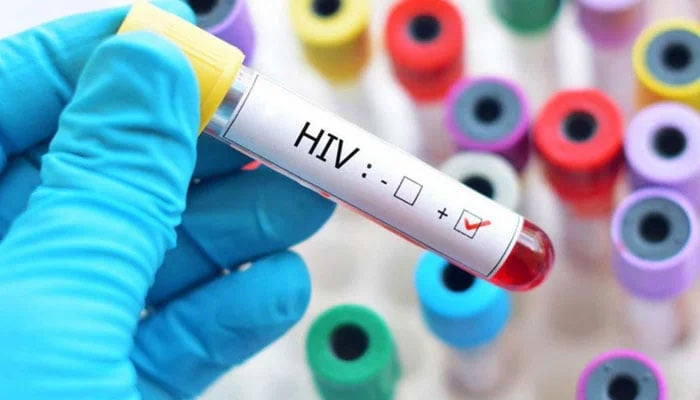
ISLAMABAD: Nearly 80 per cent of people living with HIV in Pakistan remain unaware of their infection, while about 1,100 AIDS-related deaths were recorded during 2024, officials said on Monday.
They said only 21 per cent of people living with HIV know their status, 16 per cent are receiving treatment and around eight per cent have achieved viral suppression, underscoring gaps in detection, treatment and prevention.
Official data shared at a Youth Symposium marking World AIDS Day 2025 showed that around 13,000 new HIV cases were detected during last year, while the estimated number of new infections could be as high as 48,000. Officials said the total number of people living with HIV in Pakistan is estimated at around 350,000. The symposium was jointly organised in Islamabad by the Ministry of National Health Services, UNAIDS, UNFPA, ACT International and development partners.
Health officials said that this year too around 12,000 people had tested positive for HIV nationwide by the end of November 2025. They noted that undiagnosed infections continue to contribute to the spread of the virus, particularly among key and vulnerable populations. Officials acknowledged that progress has been made in expanding treatment services, but challenges persist, including late diagnosis, limited testing coverage and social stigma.
Speaking at the event, Dr Luay Shabaneh, UNFPA Representative in Pakistan, said young people must be placed at the centre of the HIV response, noting that they make up nearly 64 per cent of the country’s population. He said Pakistan’s HIV epidemic remains concentrated and largely hidden. He pointed out that stigma continues to discourage people from seeking testing and treatment, adding that greater openness and awareness were essential to improving outcomes.
Dr Shabaneh said that while HIV infections are declining globally, Pakistan has experienced repeated outbreaks, including among children, which he linked to unsafe medical practices, delayed diagnosis and weaknesses in surveillance. Mubashar Nabi, Founder President of ACT International, said HIV prevention efforts should include life skills education alongside awareness activities. He highlighted the introduction of Life Skills Based Education for Grades 1 to 12, approved by the Ministry of Education.
He said pilot programmes supported by UNFPA and ACT have reached more than 5,000 students, trained 4,675 teachers, engaged 9,000 community members and provided sexual and reproductive health and HIV prevention education to around 1,000 transgender youth.
Providing an overview of the national response, Dr Abdul Wali, Director General Health at the Ministry of National Health Services and Deputy National Coordinator at the Common Management Unit, said access to antiretroviral therapy has expanded over the past decade. He said the number of people receiving treatment increased from about 6,500 in 2013 to 55,500 in 2024, while the number of antiretroviral therapy centres rose from 13 in 2010 to 96 by 2025.
However, he said a large proportion of people living with HIV remain undiagnosed, and noted that the number of new HIV cases among children aged 0 to 14 years increased from 530 in 2010 to 1,800 in 2023.
Addressing the gathering as chief guest, Additional Secretary Health Laiq Ahmed said Pakistan remains behind global HIV targets. He said that in 2024, around seven per cent of people living with HIV had achieved viral suppression. He stressed the need to expand testing, ensure early diagnosis and sustain treatment to reduce the public health impact of HIV and AIDS.
Community perspectives were also shared at the event, including a presentation by Aaira Malik, a transgender activist, who spoke about community mobilisation and HIV prevention initiatives among key populations. The symposium concluded with a panel discussion on youth leadership and the role of education in HIV prevention, followed by a theatrical performance aimed at addressing stigma and discrimination associated with HIV.