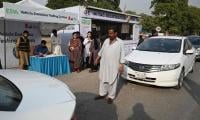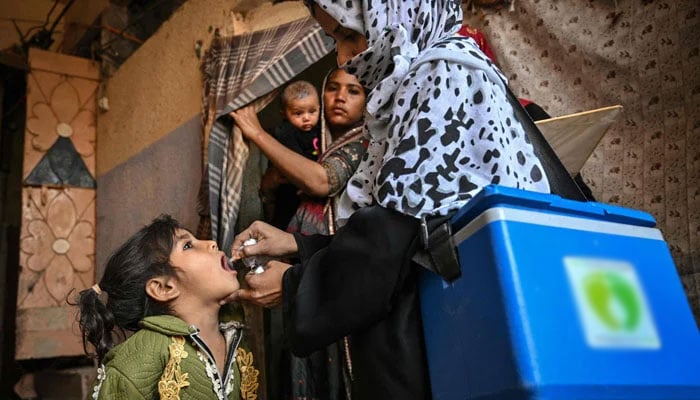
The Karachi administration has finalised arrangements for the polio eradication campaign starting December 15 (today).
Officials said during the drive, more than 2.1 million children would receive polio drops and 26,000 polio workers would perform their duties. Karachi Commissioner Syed Hassan Naqvi has said the city administration, together with the Emergency Operation Centre (EOC), health department, Unicef and other international organisations, has planned the campaign to ensure effective implementation and meet fixed targets.
It has been decided that all the institutions would make coordinated efforts to achieve the target. The office of the commissioner said that various measures had been taken to strengthen the role of polio workers and motivate them. In this regard, Unicef and the health department had conducted and completed a special training programme to enhance skills of the polio workers and area incharges.
The assistant commissioners have been asked to coordinate and guide the polio workers and area incharges in their duties to get support of parents and the community, and secure cooperation to get children vaccinated.
A training programme jointly organised by the EOC and district administration for area incharges was held last week at Sachal Goth in Sohrab Goth Town, attended by area incharges from various districts who received special training in securing parental cooperation, especially parents of children missed and refused.
Naqvi also reviewed the training and praised the efforts, noting that the administration was implementing several initiatives to encourage polio workers. In the upcoming campaign, Central Deputy Commissioner (DC) Taha Saleem has arranged meals and transport for polio workers in District Central with the support of the Saylani Welfare Trust, Daudi Bohra Community, town officials and UC chairmen. Other deputy commissioners have been directed to follow the steps taken by the Central DC.
The commissioner said the anti polio campaign would focus on children who had missed or were refused vaccination, and special support teams comprising town and union-committee chairmen, and officials from various departments had been formed to ensure coverage of these children and secure the cooperation of local dignitaries and parents.