Pakistan is a young country. Over 60 per cent (150 teeming millions) of its people are under 30. Shouldn’t this be our greatest strength? A demographic dividend so powerful that it could launch us into a future of promise and prosperity?
Yet, when I listen closely, I can’t help but wonder if we are really hearing our youth? Or have we, as a nation and as leaders, simply stopped caring? Is this just a question to ponder, or is it a mirror reflecting our national failure? Our youth carry dreams, hopes, frustrations, and fears that are unspoken, unheard and invisible to those who hold power.
How can we call them our asset when they are so often treated as a crisis waiting to explode? Their voices are vibrant, creative, filled with potential. Yet why do they remain lost in the noise of political slogans and societal indifference?
How did we allow this systemic disconnect to grow so wide? When did our political elite become so detached, so anchored in outdated, feudal mindsets, that they no longer understand the real aspirations of the young? Where is the room for youth in the decision-making halls that shape their future? If they are only spectators, what hope do they have?
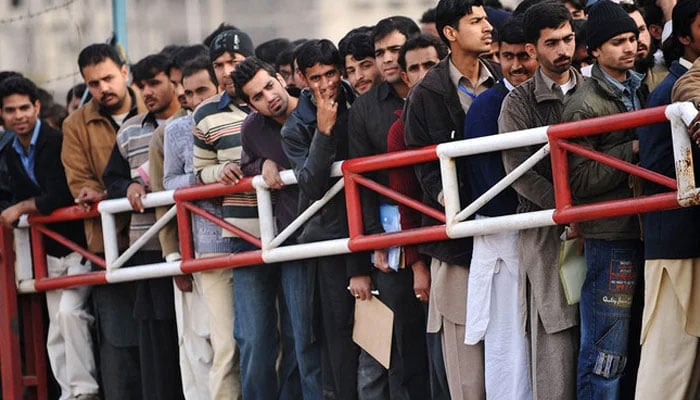
We talk about education, but is it education or a cruel illusion? Many young people graduate, degrees in hand, but where are the jobs that match their skills? How long will we pretend that this mismatch doesn’t crush dreams and fuel hopelessness? When a degree fails to guarantee a livelihood, what remains for hope to cling to? And what of politics? Do our youth believe their votes matter? Or have they grown cynical, convinced that engagement is futile? Isn’t it terrifying to know that such apathy leaves a vacuum for extremism and populism to grow?
How long before this silence becomes a roar of unrest? Economically, how can young Pakistanis see a future when inflation surges, industries falter, and jobs vanish? Should they settle for poverty wages? Should they abandon their homeland to seek a better life elsewhere? What happens when talent flees and hope dims?
Why are young voices, especially those of women, still shackled by fear and conservative norms? Where are the safe spaces for free expression, creativity and protest? Can a nation thrive when its youth cannot speak freely?
Social media is our double-edged sword. Has it truly empowered youth, or has it merely amplified division and misinformation? Why does online activism so often fail to translate into real-world change? Who truly asks our youth what keeps them awake at night? Who listens when they share their dreams, their silent wounds? Why do we trivialise their mental health struggles, dismiss their anger as mere rebellion? Isn’t this a cry for justice and dignity that we refuse to hear?
And let's talk about poverty – the elephant we refuse to confront. Millions live below the line, battling hunger and despair daily. Do we understand what this destruction of self-worth means? How does despair breed addiction, crime and broken families?
What of the social fabric torn apart by unrest and distrust? At the national level, what does this mean for our economy, our sovereignty, our future?
Can we afford to ignore this any longer? What risks do we take by turning away? Are we ready to lose a generation to cynicism and despair? To fracture the very bond between the state and its people? To watch as unity and peace unravel? How long before economic stagnation and inequality plunge us into chaos?
Is it enough to simply listen? Or do we need to care deeply, urgently, and with courage? How do we move beyond token gestures to real inclusion?
How do we reform education to match tomorrow’s world, create economic opportunities that empower, and nurture civic engagement beyond just casting a vote? Where are the safe spaces for diverse voices to thrive without fear? How do we finally recognise the mental health crisis gripping our youth and provide the support they deserve?
Do Pakistan’s leaders and institutions care enough to answer these questions honestly? If not, what does that say about our future?The youth care. They are talented, creative, passionate, resilient. Second to none. They care fiercely about this land, their futures, their rights. But their care is met too often with neglect and silence.
The challenge before us is clear: to bridge this gap, shatter apathy and build a Pakistan where youth are not just heard but empowered to lead.Pakistan’s future hangs in the balance. Will we listen – truly listen? Or have we already chosen not to care?
The writer is a former global corporate executive (Unilever, PepsiCo, Yum! Brands), a mental health advocate and a founding board member of Taskeen, a pioneering organisation focused on emotional well-being in Pakistan.