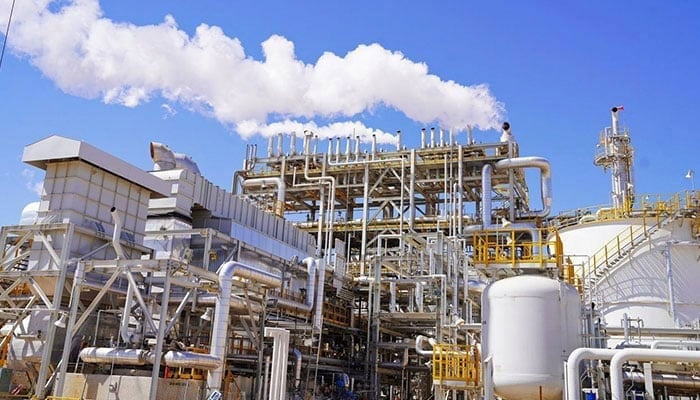
KARACHI/ISLAMABAD: The country’s major oil refineries have warned of serious operational disruptions due to a sharp slowdown in high-speed diesel (HSD) upliftment by oil marketing companies (OMCs), saying the situation is threatening the stability of the national oil supply chain.
In a joint letter sent on December 10, 2025 to Chairperson of Oil and Gas Regulatory Authority (Ogra) Masroor Khan, the five refineries -- Attock Refinery Limited (ARL), Pak-Arab Refinery Limited (PARCO), Cnergyico PK Limited (CPL), National Refinery Limited (NRL) and Pakistan Refinery Limited (PRL) -- said OMCs were not lifting the diesel quantities committed during the Product Review Meeting (PRM) for December 2025.
They said that decisions taken in PRMs regarding product allocation and upliftment were being consistently disregarded, leaving the refining sector in a difficult position. They added that the slowdown in the upliftment of MS and HSD this month had created serious operational challenges.
Local refineries projected total HSD sales at 675,000 tonnes for December and offered 504,500 tonnes through local production. However, actual upliftment stood at 108,523 tonnes from December 1 to 9, against the prorated target of 146,468 tonnes. Refineries said this shortfall raised questions about the effectiveness and enforceability of PRM allocations.
The refineries noted that while they were already struggling to maintain operations due to reduced HSD upliftment, they were simultaneously under pressure to increase jet fuel production to meet rising airport demand. They warned that this balance would become increasingly difficult to maintain unless HSD upliftment was streamlined.
The refineries also referred to Rule 35(g) of the Pakistan Oil (Refining, Blending, Transportation, Storage, and Marketing) Rules, 2016, which requires that locally produced refinery products be prioritised before imports are considered. They claimed that excessive imports allowed by OGRA had worsened the situation and left large volumes of locally produced fuel unsold.
Copies of the letter were also sent to the minister for energy (Petroleum Division), secretary of the Petroleum Division and director-general (Oil), underscoring the seriousness of their concerns. The refineries urged Ogra to take urgent action to ensure timely and prioritised upliftment of local refinery products to keep the national supply chain running smoothly.They expressed hope that Ogra would intervene promptly to address the situation.