international tea day
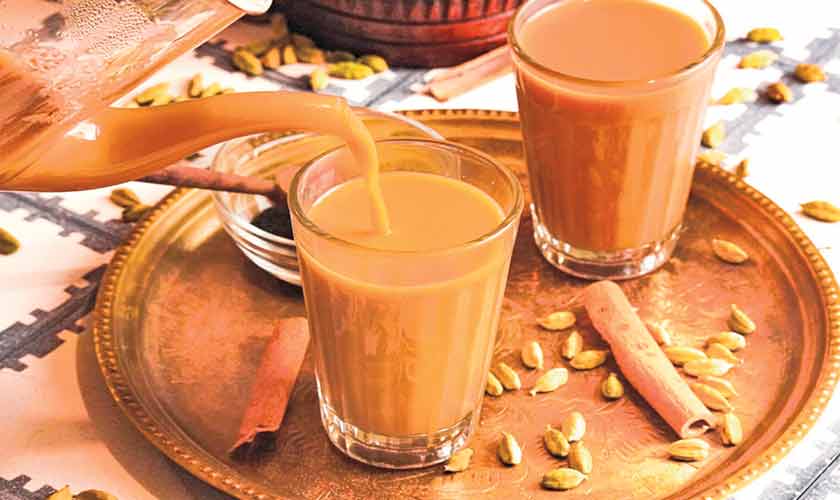
International Tea Day, observed annually on May 21, has long been associated with comfort. A chipped mug on a work desk, steam rising from a roadside dhaba cup, or a kettle whistling in the kitchen before guests arrive. But over the past few years, tea has slowly started getting a makeover.
Today, tea comes with oat milk, lavender syrup, tapioca pearls and names that sound more suited to skincare products than beverages. Cafés are selling saffron-infused karak, iced matcha lattes and strawberry bubble tea at prices that could once buy an entire family a week’s worth of loose tea.
Yet despite the dramatic transformation, the obsession with tea has remained exactly the same.
Tea has always adapted itself to the people drinking it. Once it was served only in steel kettles at roadside hotels. Then it moved into office pantries and trendy cafés. Now it exists in carefully curated social media posts alongside minimalist tables, oversized headphones and laptops opened to unread emails.
The question is no longer whether people drink tea. The question is what kind. Here is a closer look at the teas currently taking over café menus and social media feeds and why people keep going back for them…
Matcha: The internet’s favourite green drink
If one tea completely dominated social media over the past two years, it was matcha. Made from finely ground green tea leaves whisked into water or milk, matcha quickly became popular among wellness lovers for its antioxidants and calmer caffeine boost compared to coffee. The soft green colour also made it instantly Instagram-friendly, with iced matcha lattes suddenly appearing beside journals, skincare products and laptops everywhere online. Taste-wise, matcha can be divisive. Some people love its earthy flavour while others think it tastes like grass with good marketing. That is why flavoured versions like strawberry, vanilla and coconut matcha became so popular. They soften the stronger taste and make it easier for first-time drinkers to enjoy.
Boba tea: The drink that became an activity
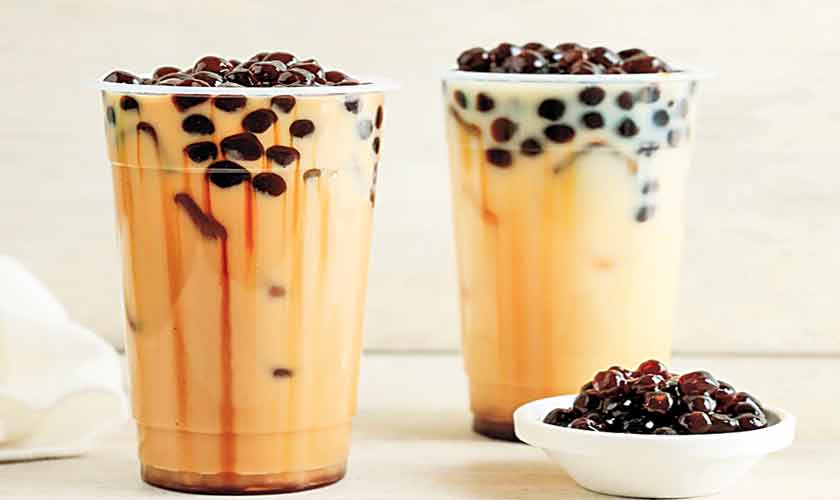
Boba tea, or Bubble tea, feels less like a beverage and more like entertainment in a cup. Originally from Taiwan, it combines tea, milk or fruit flavours with chewy tapioca pearls known as boba. Drinking it involves oversized straws, chewy textures and an almost dessert-like experience. Part of the appeal lies in how customisable it is. Cafés offer everything from brown sugar milk tea and taro boba to mango green tea and popping boba filled with juice. Customers can choose sugar levels, ice levels and toppings, making every drink feel personalised. For younger café-goers especially, boba tea became popular because it feels playful, photogenic and fun to drink with friends.
Saffron chai: Comfort with drama
Saffron chai took familiar tea flavours and gave them a luxurious twist. Made with saffron strands, milk, tea and spices, it became especially popular during winter. The saffron adds a rich aroma and slightly floral flavour, while cafés often pair it with cardamom, cinnamon or pistachios for extra indulgence. People enjoy saffron chai because it feels warm, comforting and slightly fancy without becoming unfamiliar. It is the kind of drink that works perfectly during long café catchups, rainy evenings and cosy winter outings.
Chai cafés and the comeback of strong tea
Karak chai became one of the biggest café trends in recent years. Known for being stronger, creamier and more heavily brewed than regular tea, it usually contains cardamom and evaporated milk, giving it a richer flavour. Many cafés also introduced variations like saffron karak, pistachio karak and even Nutella karak. Part of karak chai’s appeal is how intense it tastes. Unlike lighter café drinks, it feels bold and unapologetically strong. Chai cafés also became popular hangout spots because they offered a more relaxed alternative to expensive coffee chains.
Fruit teas and iced teas for people who hate
hot drinks
Not everyone wants steaming hot tea, especially in summer. Fruit teas became popular because they feel lighter and more refreshing than milk-based teas. Usually made by mixing brewed tea with fruit syrups or juices, common flavours include peach tea, passionfruit tea, berry tea and lemon iced tea. Many cafés also serve sparkling tea versions mixed with soda water for a fizzy texture. These drinks work especially well during long café hangouts because they are refreshing, colourful and easy to drink. For many people, fruit teas became the safe middle ground when they wanted something lighter than coffee or traditional chai.
The alternative milk tea
Tea also entered its alternative milk era. As more people became lactose intolerant, vegan or simply curious, cafés started offering tea with oat milk, almond milk and soy milk. Oat milk especially became trendy because of its creamy texture, which works well in tea lattes and matcha drinks. Some people genuinely prefer the taste, while others enjoy the ‘healthy café drink’ aesthetic attached to it. Either way, alternative milk options made tea feel far more customisable and modern.
Is fancy tea replacing traditional chai?
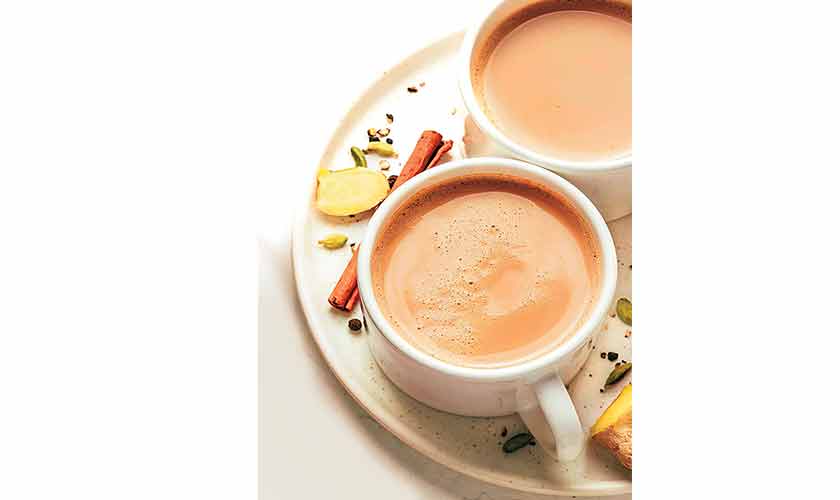
The rise of fancy tea has not replaced regular chai. If anything, it has reminded people how attached they are to the tea they grew up drinking. Matcha and boba may feel exciting but most people still return home craving a strong cup of chai. Traditional tea carries memory. It reminds people of parents waking up early, grandparents reading newspapers and long conversations during exam season or late nights. Fancy tea may be trendy, but classic chai feels personal. Tea trends will continue changing but tea culture rarely abandons old habits completely. Instead, it absorbs new ones. People who drink iced matcha at cafés still ask for chai at family gatherings. Tea survives trends because it has never been tied to one format. Whether served in paper cups at roadside stalls or minimalist café mugs, tea continues doing what it has always done best: bringing people together long enough for conversation to begin.