Print Story
X




As we celebrate, it’s worth remembering those whose holiday sacrifice is the fuel that keeps our traditions running
| W |
hile the rest of Lahore wakes up to the scent of sheer khorma and the rustle of new clothes, a silent army of doctors, first responders and service workers is already clocking in. For them, Eid isn’t a day of celebration — it’s a day of service.
“I don’t remember the last time I spent Eid with my family,” says Dr Lala Rukh, a dentist at a social security hospital. As her three children dress up for the day, she says she’s out navigating the ghostly, deserted streets of Lahore. “The commute to work [on Eid days] isn’t a very happy one,” she says.
The silence of the city on Eid is bittersweet. Because she is a local resident, Dr Lala Rukh often stays on duty so that out-of-town colleagues can visit home. “It feels unfair sometimes,” she admits, noting that there is “no letup in emergency cases just because it’s Eid. Disease doesn’t know of vacation.”
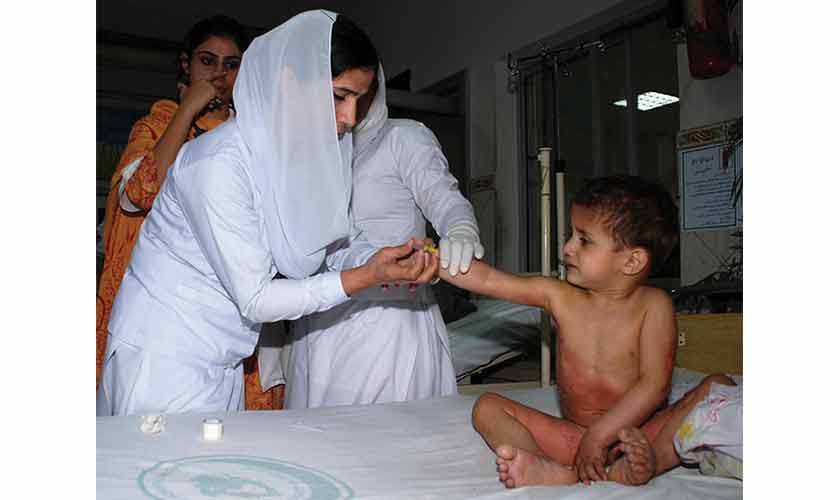
For Muhammad Khurram, an EMT with Rescue 1122, the holiday is defined by the radio’s crackle. While the city feels emptier as people head to their ancestral villages, the emergencies that remain are no less urgent.
The hardest part of the shift, he admits, is lunchtime. When Khurram opens his tiffin box, he finds a sweet reminder: “My wife never forgets to pack cooked sawaiyyaan,” he says. It’s a small, sugary comfort in a high-stakes job that leaves little room for festivity.
“Tips usually go to the car washers or the gas pump boys. The petrol guys are rarely considered eligible. It’s a strange culture.”
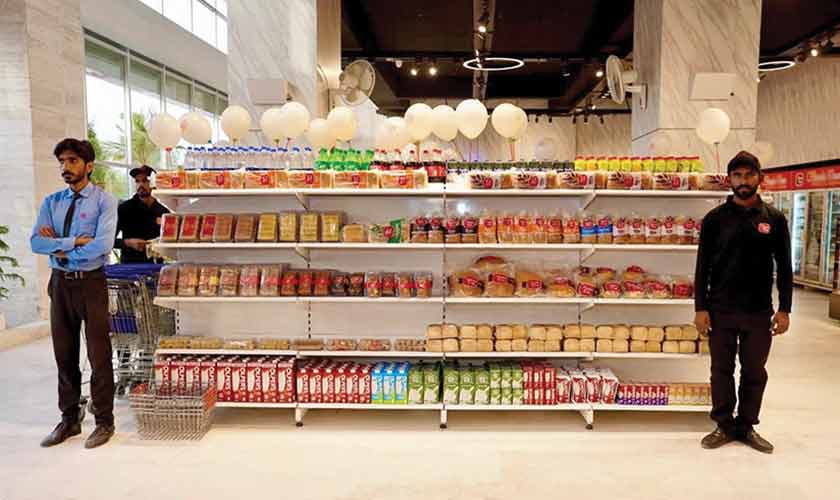
At a popular bakery on Zahoor Elahi Road, Muhammad Farooq is busy bagging treats for happy customers. For him, the decision to work is practical. Between missing the bus out of the city and the lure of holiday overtime pay, the bakery counter is where he needs to be.
“Last year, I chose to spend the Eid at work for two reasons: One, I did not book a bus seat in time; and second, I anticipated the compensation for overtime work,” he says.
The occasional holiday tip from a generous customer also makes the long hours a bit brighter.
A few yards away, the energy at a local petrol station is surprisingly upbeat. Many of the workers here belong to religious minority communities, meaning the day holds less personal religious weight but plenty of festive spirit.
At the other end of the spectrum, Mansha, a fuel attendant, describes the Eid days as “exciting.” The perks? A special holiday menu of chicken qourma and sweets sponsored by their employer.
He points out a curious cultural quirk: “Tips usually go to the car washers or the compressed air boys. The petrol guys are rarely considered eligible. It’s a strange culture.”
Without the baker, the medic, the doctor and the fuel attendant — to name only a few — the “safe and peaceful” Eid we take for granted would remain elusive. As we celebrate, it’s worth remembering those whose holiday sacrifice is the fuel that keeps our traditions running.
Ahsan Raza is the editor of Minute Mirror. He can be reached at [email protected]