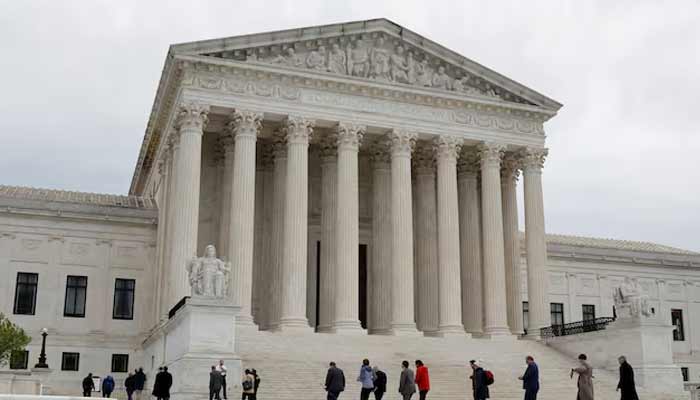
The US Supreme Court stepped towards technology, adopting software to assist in identifying cases that pose a conflict of interest among justices, enabling them to decide whether to recuse themselves from the case.
The software, created by the court's information technology office and other court staff, will compare information about lawyers and parties to a dispute to certain information provided by the offices of each of the nine justices, a court spokesperson said in a statement.
These "automated recusal checks" will complement existing procedures carried out by the justices for reviewing potential conflicts, the court said.
The court in 2023 adopted its first formal code of conduct governing the ethical behaviour of the justices. Some critics noted the absence of any enforcement mechanism and the authority of the individual justices to decide for themselves whether to recuse, the act of withdrawing from consideration of a case.
The court's ethics code states that justices should disqualify themselves in a case where their "impartiality might reasonably be questioned."
To support the new software, the court also announced that it would be adding beefed-up requirements for certain court filings, including a more thorough list of parties involved in a case and stock ticker symbols where relevant. The new filing requirements take effect on March 16.
Gabe Roth of the advocacy group Fix the Court called the new development "somewhat positive," noting his general opposition to justices owning stocks during their tenure on the bench.
"The court wrote at the end of the code that it would 'undertake an examination of best practices' on judicial ethics, and the use of conflict-check software is a best practice," Roth said, noting software-based checks have long been used by lower courts.