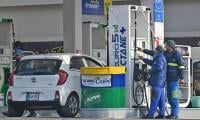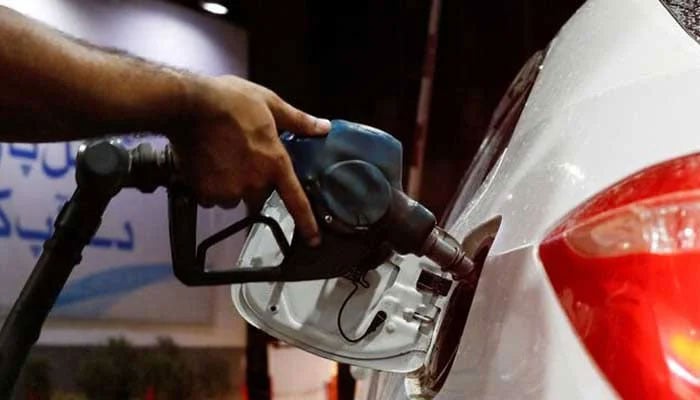
ISLAMABAD: The government is likely to reduce petrol price, while hiking it for diesel from February 1, industry sources said on Thursday.
Initial estimates indicate that, they added, petrol price will be slashed by Rs0.36 per litre, the sources said.
Contrastingly, the rate for high-speed diesel is likely to be hiked by Rs9.47 per litre along with an Rs3.69 per litre increase for kerosene oil.
Meanwhile, the price of light diesel is expected to surge by Rs6.95 per litre.
The Oil and Gas Regulatory Authority (Ogra) will submit its working on petroleum prices to the Petroleum Division on January 30 (tomorrow), whereas the Ministry of Finance will decide the prices after consultation with Prime Minister Shehbaz Sharif.
In the previous review, the government, on January 15, had decided to keep the petrol price and high-speed diesel prices unchanged at Rs253.17 and Rs257.08 per litre, respectively, until end-January.
The unchanged prices were due to the increase in petroleum levy (PL) on petrol by Rs4.62 per litre and Re0.80 on high-speed diesel — which left consumers without any relief.
Petrol is mainly used by commuters in small vehicles, rickshaws and two-wheelers. Higher fuel prices significantly impact the budgets of middle and lower-middle class households, who rely on petrol for daily travel.
On the other hand, a significant portion of the transport sector relies on high-speed diesel.
Its price is considered inflationary since it is predominantly used in heavy goods transport vehicles, trucks, buses, trains, and agricultural machinery such as tractors, tube wells, and threshers.
The consumption of high-speed diesel particularly contributes to the increased prices of vegetables and other food items.