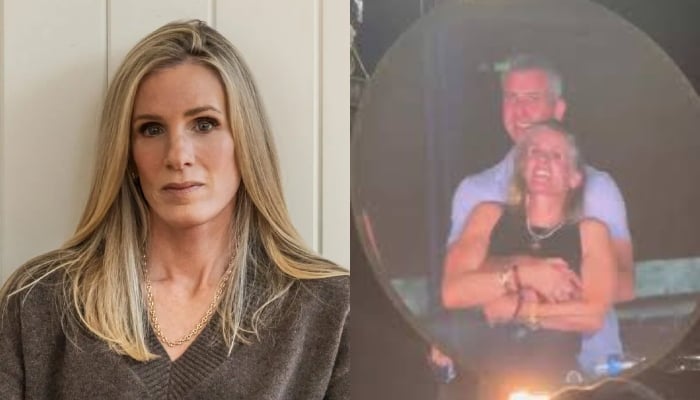
Five months after a short moment at a Coldplay concert turned into a global viral incident, Kristin Cabot says she feels compelled to speak publicly for the first time, The New York Times reported.
A video showing her on the KissCam screen, recoiling in shock while being clutched in her boss's arms spread rapidly on social media, drawing over 100 millions of views on TikTok and intense public attention. What followed, she says, was far more damaging than the original incident.
Cabot, a senior human resources executive at a US technology company, withdrew from public life after the video circulated. Online users targeted her with personal insults, accusations and sexist remarks, and she was judged for her physical appearance.
Her private details were shared online, she received threatening messages and constant phone calls and dealt with constant surveillance outside her home. The episode faded over time, but the impact on her personal life continued.
Cabot told NYT that she had no romantic or sexual relationship with her boss and describes the incident as a moment of poor judgement that was blown out of proportion. Both she and her boss reported to the company’s leadership soon after the concert. Her boss resigned within days.
Although the company later asked Cabot to return to her job, she chose to leave, saying it would be difficult to continue leading human resources after becoming the focus of public ridicule.
The situation deeply affected her family. Cabot says her two teenage children were afraid to appear in public and worried about their safety after seeing the threats directed at their mother. She struggled with anxiety and stayed mostly indoors for weeks. Over time, conditions slowly improved. Her divorce proceedings moved forward, her children returned to school, and she began resuming normal activities.
Cabot now wants to highlight what she sees as a larger issue: how quickly social media turns private mistakes into worldwide public shaming.
She questions why criticism focused more heavily on her than on her male colleague and says online outrage often targets women more harshly.
While she accepts responsibility for her actions, she believes the punishment went far beyond what was reasonable, and hopes her experience sparks discussion about fairness and compassion in digital culture.