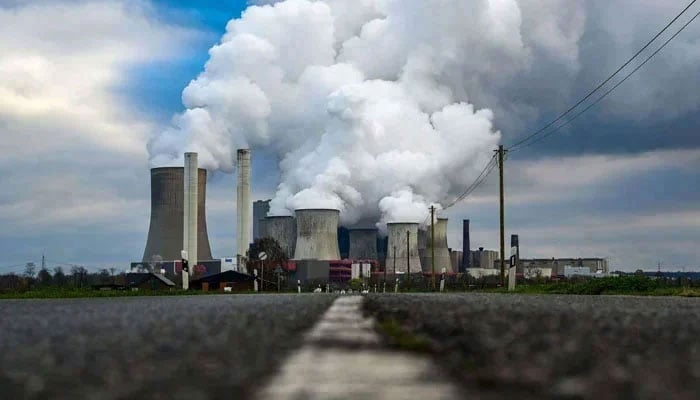
KARACHI: Power generation declined marginally in May compared with the same month last year, despite a strong month-on-month (MoM) recovery and signs of improving economic activity.
According to sector data, total power generation stood at 12,638 GWh in May 2026, down 0.9 per cent year-on-year (YoY) from 12,755 GWh recorded in May 2025. On a monthly basis, however, generation increased 33 per cent, reflecting seasonal demand patterns and higher summer electricity consumption. During the first 11 months of FY26, cumulative electricity generation reached 115,268 GWh, representing a 1.6 per cent YoY increase.
Despite the recovery, generation remained below the benchmark levels set by the National Electric Power Regulatory Authority (Nepra). Analysts attributed the shortfall to government austerity measures that have dampened electricity consumption, increased load-shedding linked to RLNG supply disruptions, and the rising adoption of distributed generation systems.These factors offset supportive measures such as lower electricity tariffs, industrial migration back to the national grid, consumption incentive packages for industrial and agricultural users, and broader economic recovery. Large-scale manufacturing expanded 6.4 per cent YoY during the first 10 months of FY26.
The cost of electricity generation increased significantly during the month. The adjusted fuel cost averaged Rs9.25 per kWh in May 2026, exceeding the reference fuel cost of Rs8.43 per kWh.
As a result, power distribution companies (Discos) have requested a positive fuel cost adjustment (FCA) of Rs0.82 per kWh for May. The increase is primarily attributed to lower hydropower generation, greater reliance on imported coal and elevated international oil prices.
Electricity generation from re-gasified liquefied natural gas (RLNG) fell 31.1 per cent YoY to 1,493 GWh in May. However, RLNG-based generation rebounded sharply from April levels, rising nearly fourfold following the arrival of three LNG cargoes imported by Pakistan State Oil under long-term contracts and one spot cargo procured by Pakistan LNG Limited.
The recovery remained limited because only four LNG cargoes were imported during the month, compared with eight originally scheduled for May.Hydropower generation declined 13.2 per cent YoY to 4,205 GWh, mainly due to lower water availability and a high base effect, as May 2025 recorded the highest hydropower generation ever for that month. Even so, hydel generation remained above historical averages.
To compensate for reduced output from RLNG, hydropower and nuclear plants, imported coal-fired generation surged 2.2 times YoY to 1,343 GWh, becoming a key source of incremental electricity supply.
Meanwhile, fuel oil-based generation fell 96 per cent MoM to just 20 GWh, reflecting increased hydel output, recovering RLNG generation and higher utilisation of imported coal, which reduced the need for costly oil-fired power plants.
Power sector trends between December 2025 and March 2026 suggest improving grid stability and a more favourable tariff outlook, supported by lower industrial power tariffs, government incentive schemes and higher levies on captive gas consumption.
However, softer demand trends in April and May have raised concerns about sustaining that momentum in the near term.Prospects may improve if regional energy supply conditions stabilise. Reports of a peace agreement between the United States and Iran, coupled with expectations that QatarEnergy could increase LNG output, may ease RLNG supply constraints, reduce load-shedding and support electricity demand.