ISLAMABAD: Pakistan’s debt servicing will eat up 42.9 per cent of the federal budget in the next fiscal year 2026-27, a staggering Rs8.054 trillion out of the Rs18.771 trillion total federal budget outlay.
This allocation represents the largest sum out of current expenditures of the government dedicated to interest and loan repayments.
However, it marks a 16 per cent up — Rs1.117 trillion more — from revised spending of Rs6.937 trillion in the outgoing fiscal year. The increase further tightens the fiscal noose, squeezing funds for essential services like health, education and development.Domestic debt servicing alone will cost Rs6.9837 trillion, with Rs1.07 trillion allocated for foreign loan repayments.
Pakistan’s public debt stood at a staggering Rs83.285 trillion ($298.5 billion) by end-March 2026. It marks almost five-fold increase over the past decade. The total debt comprising Rs57.566 trillion in domestic and Rs25.72 trillion ($92.2bn) in external liabilities.
For every rupee the government collected in taxes, more than 48 paise went straight to debt repayments. In the nine months of outgoing FY26, Rs4.948 trillion was paid in interest — 60 per cent of the full-year debt servicing target (of Rs8.207 trillion). Of this, Rs4.288 trillion went to domestic lenders and Rs660 billion to foreign creditors.
Despite the Ministry of Finance’s claims of better cash-flow planning and longer-term borrowing tools, the debt spiral continues. Mounting repayments have crowded out private investment, pressuring the rupee, spurred inflation, and deepened reliance on borrowing, fuelling a vicious fiscal cycle.
Gross external inflows stood at $6.1 billion during July-March of the current fiscal, largely from multilaterals ($2.738 billion), commercial sources ($2.238 billion) and bilateral partners ($1.125 billion).
Meanwhile, external outflows a little exceeded inflows at $6.25 billion, dominated by repayments to multilateral creditors ($2.15 billion), bilateral partners ($657 million), international bonds ($500 million) and commercial lenders ($2.944 billion), adding further strain on foreign exchange reserves.
DEBT SERVICING, DEFENCE WILL EAT UP RS11TR, BUDGET DOCUMENT SHOWS
Budget FY27 has projected total current expenditure at Rs 23.56 trillion for the upcoming fiscal year. However, nearly half of this amount is consumed by just two categories: debt servicing at Rs8.05 trillion and defence spending at Rs3.01 trillion, bringing their combined total to over Rs11 trillion.
Debt servicing remains the single biggest pressure on public finances. The government will spend Rs 8.05 trillion on interest and repayments, with Rs 6.98 trillion allocated for domestic debt servicing and Rs 1.07 trillion for foreign debt obligations.
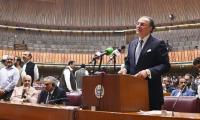
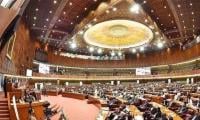
In addition, the budget, which was presented in the National Assembly on Friday, includes Rs 5.84 trillion in foreign loan repayments under the capital account, further highlighting the scale of external liabilities that continue to weigh on the economy.
Together, these obligations underline how a significant portion of federal revenue is effectively pre-committed to servicing past borrowing, leaving limited flexibility for new spending priorities.
The Rs3 trillion defence allocation includes nearly Rs1 trillion for personnel costs, around Rs743 billion for operational expenses, Rs926 billion for physical assets and procurement, and Rs363 billion for civil works, alongside administrative expenditures.
By comparison, social protection receives Rs857 billion, public order and safety Rs 389 billion, and economic affairs Rs238 billion. Even these relatively larger non-core categories are significantly smaller than either debt servicing or defence.
Key social sectors remain highly constrained. Education is allocated Rs117.7 billion, while health receives Rs37.4 billion, both marginal in comparison to debt-related outflows. Environmental protection, housing and community development remain among the smallest allocations in the budget.