ISLAMABAD: Pakistan and Rwanda took a significant step towards strengthening international cooperation in nuclear regulation and radiation protection on Wednesday, as the Pakistan Nuclear Regulatory Authority (PNRA) and the Rwanda Utilities Regulatory Authority (RURA) signed a Memorandum of Understanding (MoU) aimed at enhancing collaboration in nuclear safety, radiation protection, and regulatory capacity building.
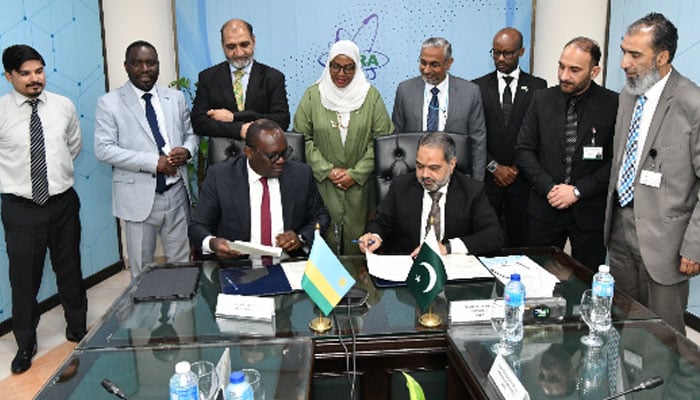
The agreement, titled “Regulatory Cooperation and Exchange of Information in the Field of Nuclear Safety and Radiation Protection”, was signed at PNRA Headquarters in Islamabad by Zia Hussain Shah, Chairman PNRA, and Claude Nkusi, Deputy Director General of RURA. The signing ceremony was attended by the Rwandan High Commissioner to Pakistan, senior PNRA officials, and members of the visiting Rwandan delegation, underscoring the growing cooperation between the two countries in the field of nuclear regulation and safety.
The MoU was concluded during a three-day visit of the RURA delegation to Pakistan from June 1 to 3. During the visit, the two sides held extensive discussions on nuclear and radiation safety frameworks, regulatory infrastructure development, technical cooperation, human resource development, and institutional capacity building.
As part of the visit, the Rwandan delegation toured PNRA laboratories and technical facilities to gain first-hand knowledge of Pakistan’s regulatory systems and safety oversight mechanisms. The delegation also visited installations of the Pakistan Atomic Energy Commission (PAEC), where they were briefed on Pakistan’s experience in implementing international nuclear safety standards and radiation protection measures. Officials said the agreement establishes a formal framework for cooperation and information exchange in areas of mutual interest. It is expected to facilitate the sharing of technical expertise, regulatory best practices, training opportunities, and knowledge related to the safe and secure use of nuclear and radiation technologies.
The partnership is particularly significant for Rwanda, as it continues to strengthen its regulatory infrastructure for emerging nuclear and radiation-related applications in healthcare, agriculture, industry, and research. Pakistan, which possesses decades of experience in nuclear regulation and safety oversight, is expected to provide valuable technical support and capacity-building assistance under the arrangement.
Speaking on the occasion, representatives of both organisations reaffirmed their commitment to implementing the provisions of the MoU and exploring additional avenues of cooperation in the future. They emphasised that effective regulation, international collaboration, and continuous professional development remain critical to ensuring the highest standards of nuclear safety and radiation protection.
PNRA officials noted that the agreement reflects Pakistan’s broader commitment to promoting international cooperation in nuclear regulation and supporting global efforts aimed at strengthening safety culture and regulatory effectiveness. The MoU is expected to pave the way for closer institutional ties between the two regulatory authorities and contribute to the development of robust regulatory systems that ensure the safe use of nuclear technology while protecting people and the environment from potential radiation risks.