LAHORE: The Punjab government’s negotiations with commercial banks to secure a credit line for wheat procurement in the 2026-27 marketing season have been unsuccessful.
As a result, the provincial government will now implement a revised plan under which wheat will be procured through aggregators financed entirely from their own resources.
The Punjab government decided to shift to private financing for wheat procurement after negotiation with banks could not be materialised, a senior official said here Saturday.
When asked who would finance procurement in the absence of banks this season, the official said that LDC, a major private firm active in the agricultural commodities market, would pick up between 0.5 million to 01 million metric tons using its own financing.
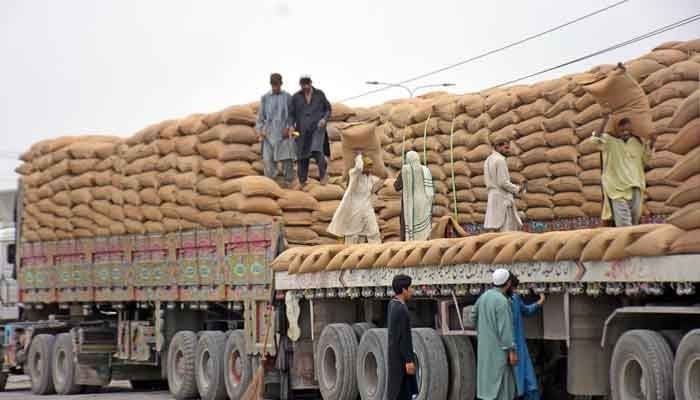
He added that another firm, Green Pakistan Initiative (GPI), would also procure 01 million metric tons, while 11 other authorised aggregators would buy wheat with 100 percent private equity. All these companies, which are called as aggregators, are among the dozen firms authorised by the Punjab government to purchase wheat directly from farmers.
The official emphasised that farmers were receiving a good rate in the ongoing procurement season, which he termed an achievement. He said the next target was to procure enough wheat to ensure food security.
An insider familiar with the wheat market said that due to the provincial government’s failure to secure bank financing, at least 0.4 million tons of wheat would remain outside the aggregators’ procurement net.
The insider criticised the policy as a “half-baked idea with an arrogant attitude,” arguing that it ignored ground realities and was designed on the basis of algorithms developed in closed door situation room rather than based on the market dynamics.
He observed the official plan also sought to bypass the traditional role of arhti, or middleman, who has existed in the grain trade for hundreds of years.
He added that banks’ main reservation was that while the funds and pledged stock would be theirs, the owner of wheat and authority to decide time of release, quantity, and price would remain with food officials. This mismatch, he said, made banks uncomfortable.
The insider warned that the department would soon become desperate and start seizing whatever wheat was available in the open market, even with farmers.
Meanwhile, concerns are growing in the field. Ebadur Rehman, a progressive wheat grower, said that arrivals at various grain markets in South Punjab had already peaked, yet the provincial government’s procurement machinery was still absent.
He attributed the delay to the government’s failure to finalise financing arrangements after talks with commercial banks collapsed, leaving the food teams without funds to start purchasing.
He noted that potential low production was one reason wheat prices had not fallen despite the government’s absence from the market.