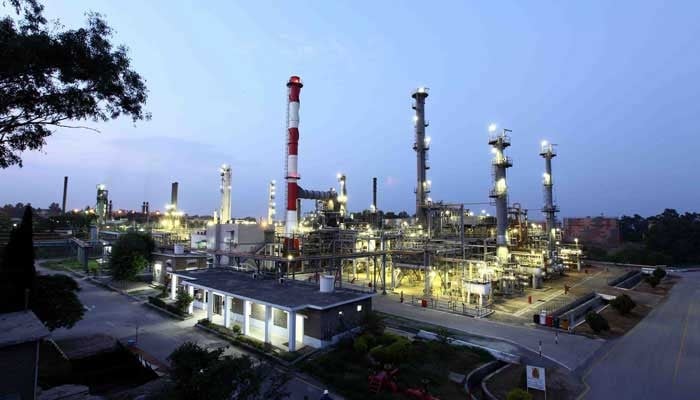
KARACHI/ISLAMABAD: Pakistan’s energy supply chain has suffered a major blow as Attock Refinery Limited (ARL) shut down its main crude distillation unit amid ongoing traffic restrictions in Islamabad and surrounding areas, raising concerns of fuel shortages across the country.
The development comes at a time when global energy markets are already under strain due to tensions around the Strait of Hormuz, where renewed disruptions have tightened oil supplies worldwide.
In a material disclosure to the Pakistan Stock Exchange (PSX), ARL confirmed that road closures have severely impacted both crude oil inflows and product dispatches. The refinery reported a significant decline in crude receipts alongside a buildup of Motor Spirit (petrol) and High-Speed Diesel stocks due to dispatch constraints.
ARL’s main unit, with a capacity of 32,400 barrels per stream day (bpsd), was taken offline following an abrupt suspension of oil tank lorry movement to and from the refinery. The restrictions were imposed in connection with the arrival of foreign delegates for reported talks between the United States and Iran in Islamabad.
The shutdown is expected to cut overall production by 45-50 per cent, including critical products such as jet fuel. “Yes, we are down from 42,000 barrels per day to 18,000 barrels per day,” said M Adil Khattak, chief executive officer of ARL.
ARL has also warned that a complete shutdown of the refinery may follow if the situation persists.
In an urgent appeal to authorities, the company said that even though it has approached the Petroleum Division, the Oil and Gas Regulatory Authority (Ogra), and even the General Headquarters (GHQ), but traffic curbs in Rawalpindi and Attock districts remain in place.
“Such a shutdown will severely disrupt the supply of petroleum products to the general public, armed forces and power plants,” the company cautioned, adding that aviation fuel supply to Islamabad and Peshawar airports would also be affected.
ARL, the only refinery in northern Pakistan, processes entirely indigenous crude sourced from fields operated by Pakistan Petroleum Limited (PPL) and Oil and Gas Development Company Limited (OGDC) in Khyber Pakhtunkhwa (KP) and the Potohar region. It also supplies furnace oil to independent power producers (IPPs), making it a critical component of the country’s energy infrastructure.
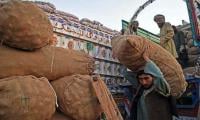
The crisis stems from road closures enforced since April 19, which have blocked oil tankers at multiple roads including GT Road near Sohawa and Mandra, as well as the N-80 near Fateh Jang. Tankers have also been barred from entering Rawalpindi through key points such as Rawat and Tarnol.
Earlier, on April 21, ARL had formally warned regulators that crude oil receipts had already dropped by around 35 per cent, while storage capacity for refined products was nearing critical limits.