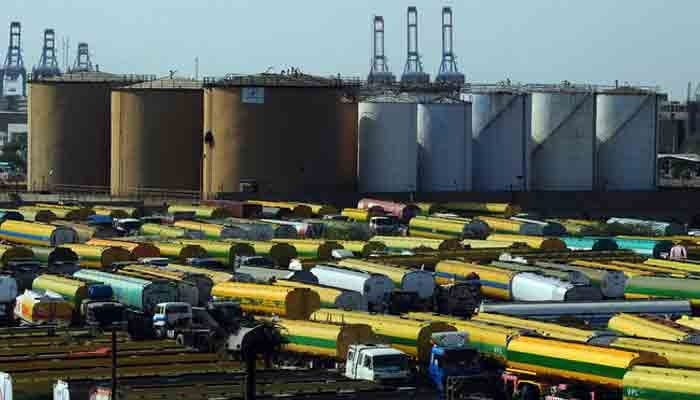
KARACHI: Pakistan imported approximately 1.1 million tonnes of high-speed diesel (HSD) during the first nine months of the current fiscal year, although shipments in March were disrupted by supply constraints linked to tensions in the Middle East.
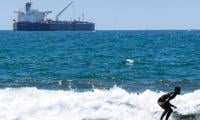
The disruption was largely attributed to the closure of the Strait of Hormuz, a key maritime corridor through which a significant share of global oil supplies passes. The closure, triggered by ongoing regional conflict, constrained fuel shipments from Gulf countries, the country’s main source of imported diesel, at a time when domestic demand was expected to rise.
March typically sees higher diesel consumption as the agriculture sector relies heavily on fuel for harvesting. Farmers and transporters tend to increase usage during this period, adding pressure to supply. Data showed that Pakistan imported only 104,689 tonnes of HSD in March.
The supply shortfall fed through to domestic prices. With shipments from the Middle East reduced, diesel prices surged at the start of April, reaching as high as Rs520 per litre, raising concerns among consumers and industries reliant on the fuel, including transport, agriculture and logistics.
The government responded with two successive price cuts, bringing the rate down to Rs353 per litre. While the reduction offered some relief, stakeholders said the volatility underscored the country’s exposure to external shocks, particularly its dependence on imported fuel.
They added that the Strait of Hormuz remains critical to global energy security, and any disruption can have far-reaching implications for import-dependent economies such as Pakistan. The episode has renewed calls for diversifying energy sources and building strategic reserves to mitigate the impact of supply disruptions.