WASHINGTON: A US naval blockade of Iran is a major, open-ended military endeavour that could trigger fresh retaliation from Tehran and put tremendous strain on an already fragile ceasefire, experts say.
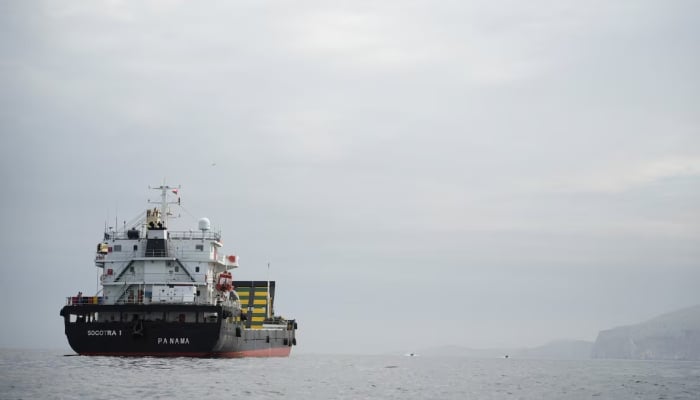
President Donald Trump, in a social media post after no deal emerged from peace talks this weekend in Islamabad, said the US Navy “will begin the process of BLOCKADING any and all Ships trying to enter, or leave, the Strait of Hormuz.”
The US military’s Central Command later said the blockade will only apply to ships going to or from Iran, including all Iranian ports on the Arabian Gulf and Gulf of Oman. It will take effect on Monday at 10 am in Washington (1400 GMT), CENTCOM said.
Trump also said US forces would interdict vessels that have paid tolls to Iran, even if those ships are now in international waters. “No one who pays an illegal toll will have safe passage on the high seas,” Trump wrote on Truth Social.
The ultimate goal, Trump said, would be to pressure Iran to end its effective closure of the strait, a choke point for about 20 per cent of the world’s oil, to all but the countries that secure safe passage from Tehran.
If Trump’s strategy succeeds, he would eliminate Iran’s greatest point of leverage in negotiations with the United States and clear the strait again for global trade, potentially lowering oil prices. But a blockade, experts say, is an act of war that requires an open-ended commitment of a significant number of warships.
“Trump wants a quick fix. The reality is, this mission is difficult to execute alone and likely unsustainable over the medium to long-term,” said Dana Stroul, a former senior Pentagon official during the Biden administration now at The Washington Institute for Near East Policy.
The US military has not offered basic details yet about the blockade, including how many US warships will enforce it, whether warplanes will be used and whether any Gulf allies will assist in the effort. Central Command declined to respond to requests for comment.
With enough warships, the US Navy could set up a blockade that intimidates many commercial tankers from trying to power through with Iranian oil, experts say.